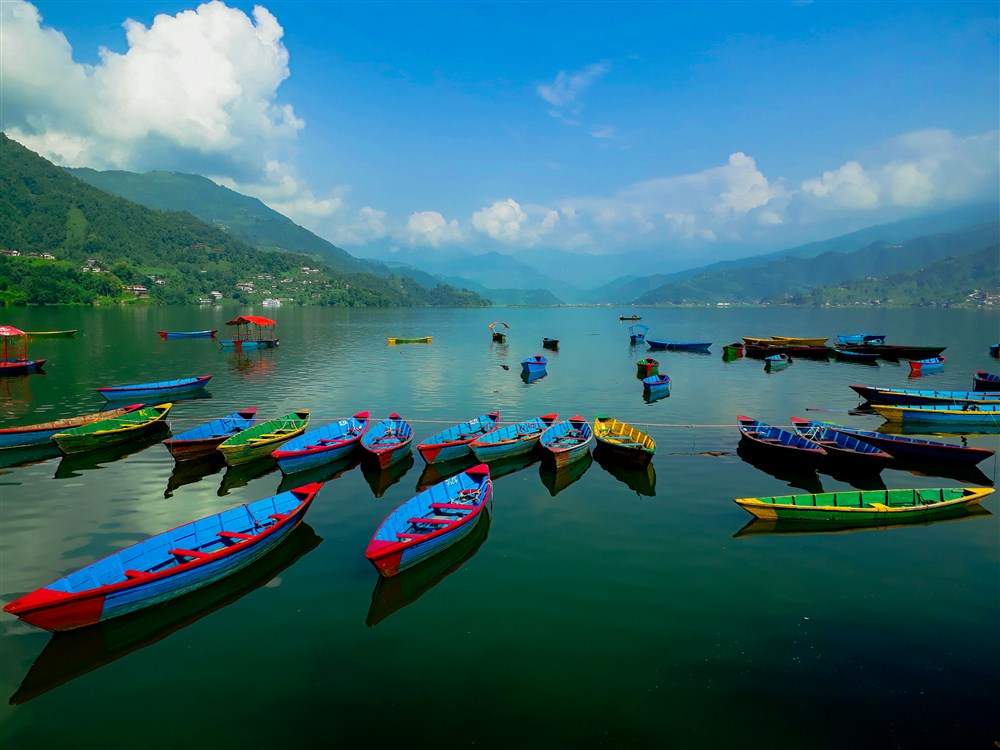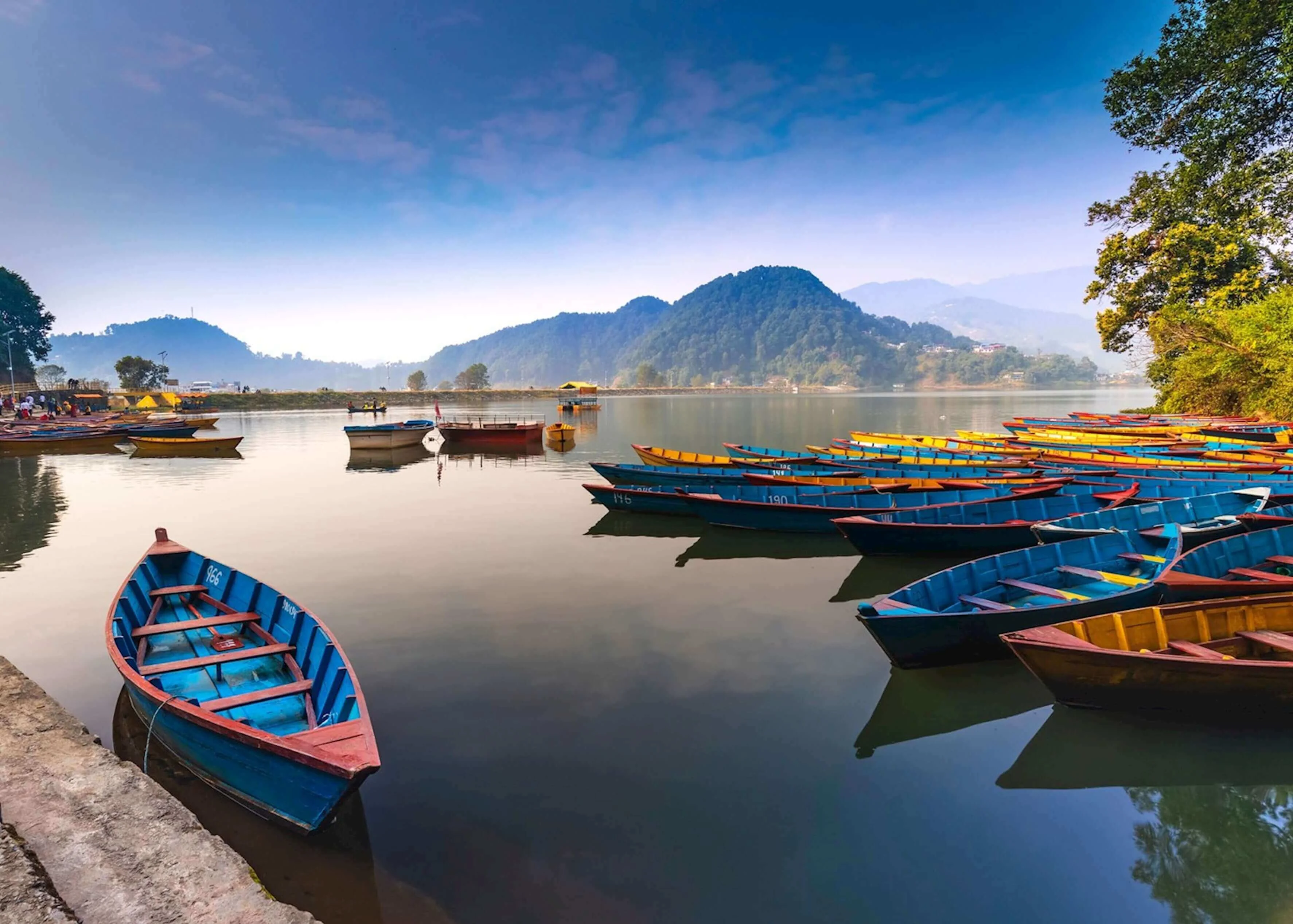
Travelling from Pokhara to Chitwan is one of the most exciting journeys in Nepal. While Pokhara is famous for its tranquil lakes and breathtaking views of the Himalayas, Chitwan offers a completely different experience with dense jungles, wildlife safaris, and rich cultural traditions. The journey between these two destinations allows travellers to witness Nepal’s diverse landscapes—from peaceful mountain valleys to subtropical forests filled with wildlife.

Nepal, the journey from Pokhara to Chitwan Taxi offers travellers a memorable mix of nature, culture, and adventure. As you leave the peaceful lakeside city of Pokhara behind, the road gradually winds through green hills, fertile valleys, and small villages where daily life moves at a gentle pace. The changing scenery along the route reveals the natural diversity of Nepal, making the journey just as enjoyable as the destination itself.
Many travellers include Pokhara and Chitwan in the same itinerary because they perfectly complement each other. After enjoying the calm environment and mountain scenery in Pokhara, a trip to Chitwan provides adventure, wildlife exploration, and cultural experiences. This travel guide explains everything you need to know about travelling from Pokhara to Chitwan, including distance, travel options, routes, scenic highlights, and useful travel tips.
Distance and Travel Time
The distance between Pokhara and Chitwan is approximately 160 to 165 kilometres, depending on the route taken. Although the distance is not very long, the journey usually takes 3 to 4 hours by road because the roads pass through hills, river valleys, and rural towns. The drive itself is scenic and enjoyable. Travellers pass through terraced farmland, small roadside villages, and river valleys that showcase the natural beauty of Nepal. For many visitors, this journey becomes a memorable part of their trip as it provides a glimpse of everyday life outside major tourist cities.
Chitwan is most famous for Chitwan National Park, Nepal’s first national park and a UNESCO World Heritage Site. It is one of the best places in Asia to see wildlife such as rhinos, crocodiles, deer, and even the elusive Bengal tiger.
Pokhara to Chitwan Taxi Fare
Hiring a taxi is one of the most comfortable and convenient ways to travel between Pokhara and Chitwan. Unlike buses, a taxi allows you to travel at your own pace and stop whenever you want. Taxi fares depend on the type of vehicle you choose, the number of passengers, and the travel company providing the service.
| Vehicle Type | Passenger Capacity | Approximate Taxi Fare (NPR) | Included Services |
|---|---|---|---|
| Sedan Car (Toyota Etios / Dzire) | 3 – 4 Passengers | NPR 9,000 – 11,000 | Fuel and driver charges |
| Compact SUV (Hyundai Creta / Kia Seltos) | 3 – 4 Passengers | NPR 11,000 – 13,000 | Fuel and driver charges |
| SUV / Jeep (Toyota Scorpio / Mahindra Bolero) | 5 – 6 Passengers | NPR 14,000 – 17,000 | Fuel and driver charges |
| Toyota Land Cruiser / Premium SUV | 5 – 6 Passengers | NPR 21,000 – 27,000 | Fuel, driver charges, premium |
| Hiace Van | 10 – 15 Passengers | NPR 19,000 – 22,000 | Fuel and driver charges |
| Tourist Minibus | 15 – 20 Passengers | NPR 24,000 – 29,000 | Fuel and driver charges |
| Tourist Bus | 25 – 35 Passengers | NPR 34,000 – 44,000 | Fuel and driver charges |
Note:
Taxi fares may vary depending on the travel season, pickup location in Kathmandu, and the final drop location in Chitwan near Chitwan National Park. It is always recommended to confirm whether toll taxes, parking fees, or extra waiting charges are included before booking your taxi.
Best Modes of Transportation
Travellers can choose from several transportation options depending on their budget, comfort level, and travel schedule. The most common options include tourist buses, private cars, and local buses.
 Tourist Bus
Tourist buses are the most popular option for travellers going from Pokhara to Chitwan. These buses offer comfortable seating and are designed specifically for tourists.
Tourist buses generally depart from Pokhara in the morning and reach Chitwan by early afternoon. The journey takes around 5 to 6 hours, depending on traffic and road conditions.
The advantages of travelling by tourist bus include:
- Affordable ticket prices
- Comfortable seating
- Air-conditioned vehicles
- Scheduled rest stops for meals and refreshments
For many backpackers and budget travellers, tourist buses provide a convenient and economical way to travel between these two destinations.
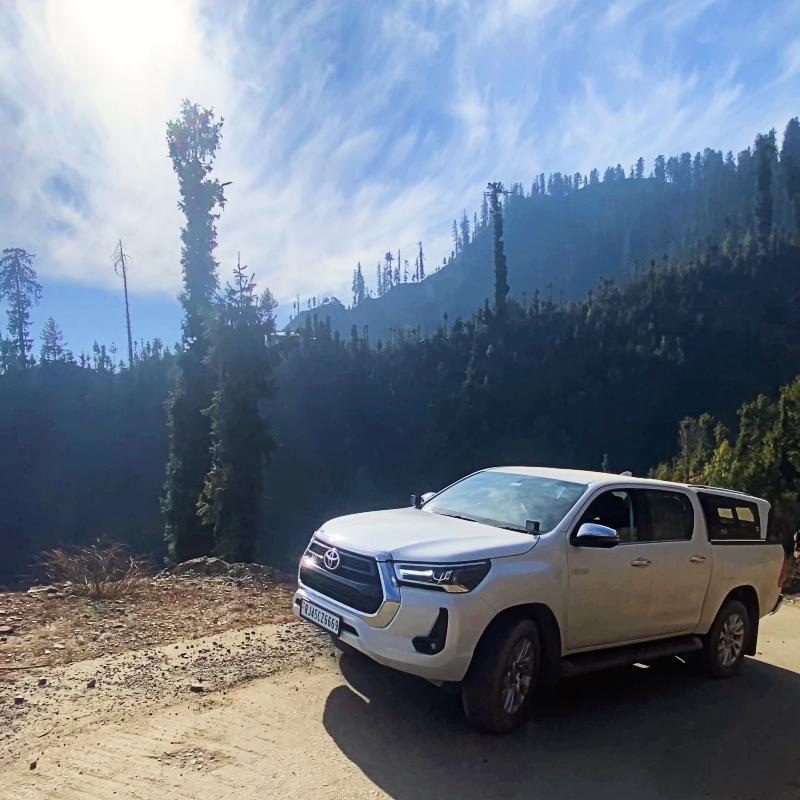 Private Car or Taxi
Hiring a private car is the best option for travellers who want flexibility and comfort. A private vehicle allows you to travel at your own pace and stop along the way for sightseeing or photography.
The journey by private car usually takes 4 to 5 hours, making it faster than bus travel. Drivers are familiar with the route and often recommend good restaurants or scenic viewpoints for breaks.
Private transportation is ideal for:
-
Families with children
-
Couples on vacation
-
Small groups of travelers
-
Visitors with limited travel time
Although the cost is higher than a bus ticket, many travellers prefer private vehicles because of the convenience and personalised experience.
Scenic Highlights Along the Route
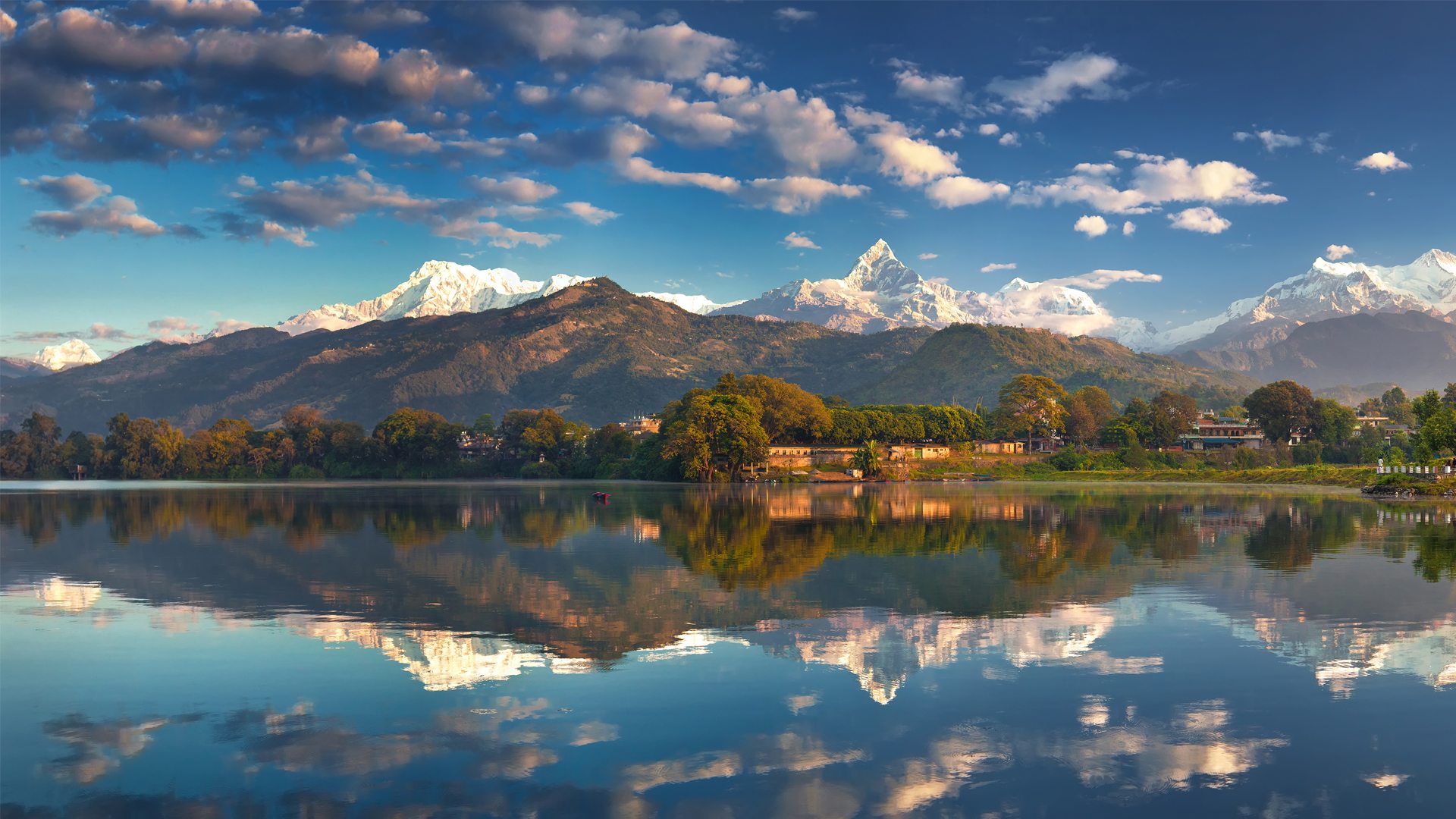 The journey from Pokhara to Chitwan passes through beautiful landscapes that reveal the diversity of Nepal’s geography.
River Valleys
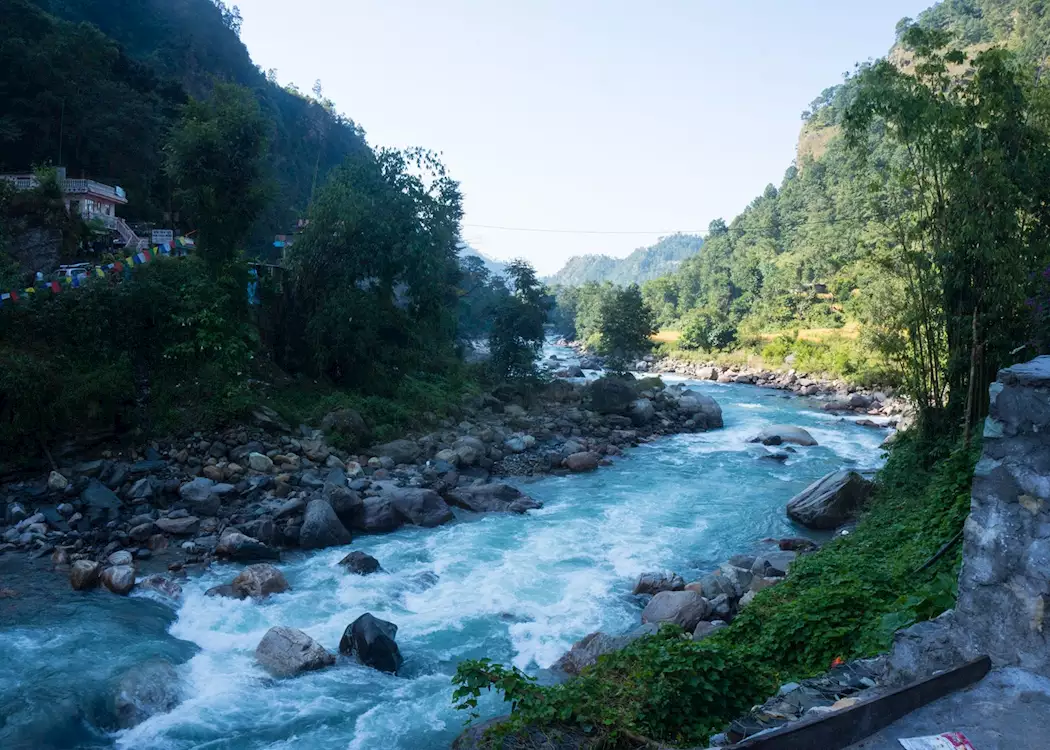
Much of the route runs alongside the Trishuli River, which is famous for white-water rafting. Travellers can often see rafting boats navigating the river’s rapids while passing through the valley.
The river scenery, combined with the surrounding green hills, creates some of the most beautiful views during the journey.
Rural Villages
The road between Pokhara and Chitwan passes through several rural settlements where travellers can observe traditional Nepali life. Houses built with local materials, roadside markets, and terraced farms offer a glimpse of the country’s agricultural lifestyle.
Stopping at these villages allows visitors to enjoy local tea shops and interact with friendly locals.
Changing Landscapes
One of the most interesting aspects of the journey is the dramatic change in landscapes. Pokhara lies in a mountainous region, while Chitwan is located in the lowland plains known as the Terai. As you travel south, the hills gradually give way to warmer, subtropical forests.
Best Time to Travel from Pokhara to Chitwan
 Travellers can visit Chitwan throughout the year, but some seasons provide better conditions for wildlife viewing and travel.
Autumn (September to November)
Autumn is considered the best season to travel in Nepal. The weather is clear, the temperatures are comfortable, and the road conditions are generally good.
This season is ideal for jungle safaris because animals are more active and easier to spot.
Winter (December to February)
Winter is another good time to visit Chitwan. The weather is cooler, and wildlife sightings are often better because animals come out into the open grasslands.
Mornings can be foggy, but afternoons are usually clear and pleasant.
Spring (March to May)
Spring brings warmer temperatures and blooming forests. It is a beautiful time to visit Nepal, although temperatures in Chitwan can be higher than in the hill regions.
Monsoon (June to August)
The monsoon season brings heavy rainfall, which can sometimes affect road travel. However, the forests of Chitwan become lush and green during this time.
Things to Do in Chitwan
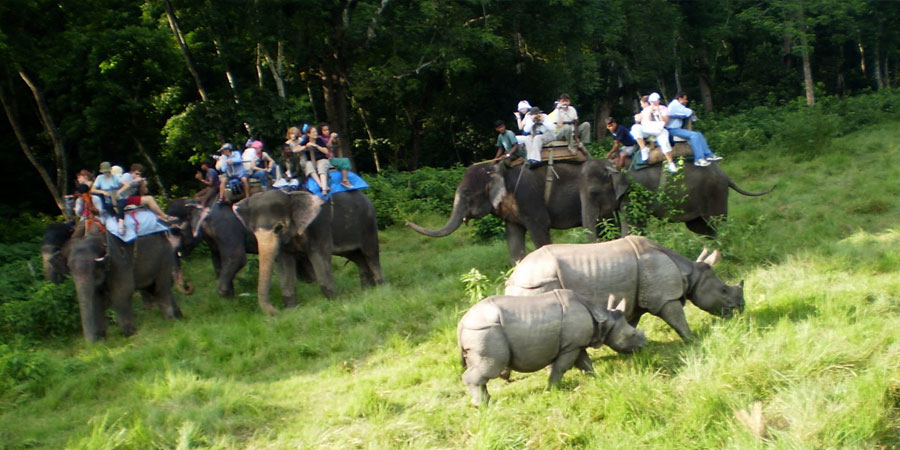 Once you arrive in Chitwan, there are many activities to enjoy, especially in and around Chitwan National Park.
Jungle Safari
The most popular activity in Chitwan is a jungle safari. Visitors explore the national park by jeep or canoe while searching for wildlife such as rhinos, deer, wild boars, and birds.
The park is also home to the endangered Bengal Tiger, although sightings are rare and require a bit of luck.
Canoe Ride
A canoe ride along the Rapti River is a peaceful way to explore the park’s ecosystem. Travellers often see crocodiles, water birds, and beautiful river landscapes during the ride.
Tharu Cultural Experience
The local Tharu People have lived in the Chitwan region for centuries. Visitors can enjoy cultural dance performances and learn about traditional Tharu lifestyles and customs.
Travel Tips for a Comfortable Journey
To make your journey from Pokhara to Chitwan smoother, consider the following tips:
Start early in the morning.
Early departures help avoid traffic and allow you to reach Chitwan with enough time to enjoy evening activities.
Carry snacks and drinking water.
Although buses stop along the highway, it is always useful to have your own supplies.
Pack light clothing.
Chitwan is warmer than Pokhara, so comfortable summer clothes are recommended.
Bring insect repellent.
Since Chitwan is a jungle region, mosquito protection is helpful, especially in the evening.
Accommodation in Chitwan
Most visitors stay in the town of Sauraha, which is the main tourist gateway to Chitwan National Park. The area offers a wide range of accommodation options, from budget guesthouses to luxury jungle resorts.
Many hotels provide complete jungle safari packages that include accommodation, meals, and guided tours inside the national park.
Conclusion
The journey from Pokhara to Chitwan Taxi Service is much more than just a transfer between two cities. It is an opportunity to witness Nepal’s natural beauty, vibrant culture, and traditional rural life. Pokhara provides stunning mountain views and a peaceful lakeside atmosphere, while Chitwan offers thrilling wildlife adventures and rich cultural traditions. The journey between these destinations takes travellers through beautiful valleys, traditional villages, and changing landscapes that highlight Nepal’s natural diversity. Whether you travel by tourist bus, private car, or local transport, the trip from Pokhara to Chitwan is an unforgettable part of any Nepal travel itinerary. From serene lakes to dense jungles, this journey perfectly captures the spirit of adventure and discovery that makes Nepal such a remarkable destination.