Pokhara is one of Nepal’s most popular travel destinations, known for peaceful lakes, Himalayan views, green hills, temples, caves, waterfalls, and outdoor adventures. With the Annapurna range and the distinctive Machhapuchhre, or Fishtail Mountain, forming a spectacular backdrop, the city offers a different experience from Nepal’s busy capital, Kathmandu. For first-time visitors, deciding where to go can be difficult because Pokhara has attractions spread across the lakeside area, hills, old town, and surrounding valley. From relaxing beside Phewa Lake to watching the sunrise from Sarangkot, there are plenty of experiences to include in a short holiday. Travelers planning a longer Nepal trip can also explore a Nepal travel package that combines Pokhara with other popular destinations.
Here are 10 must-visit places in Pokhara that can help first-time travelers plan their sightseeing.
1. Phewa Lake
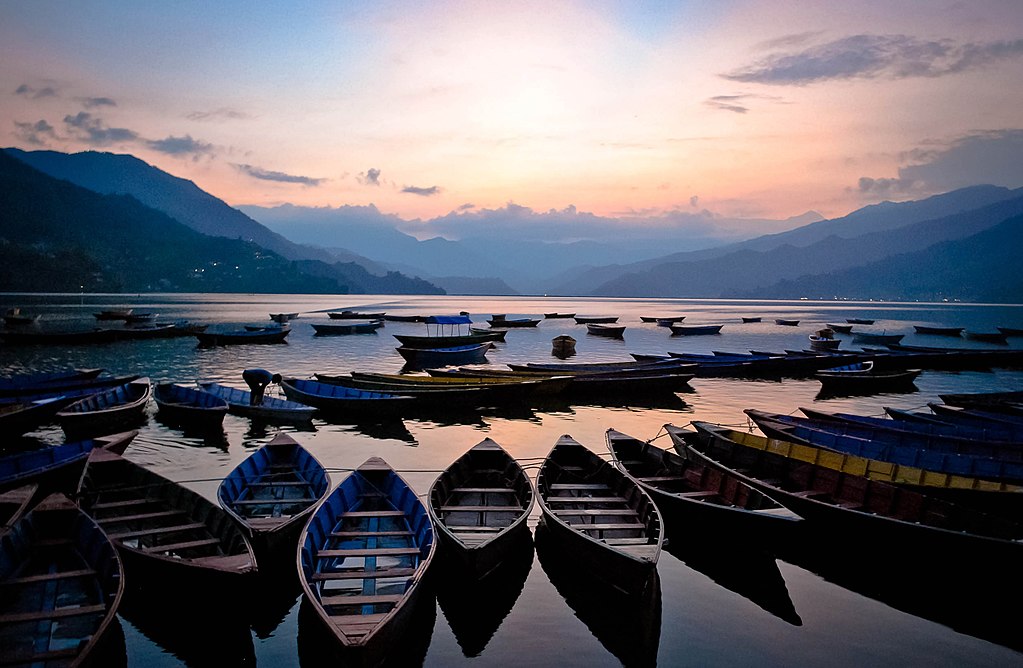
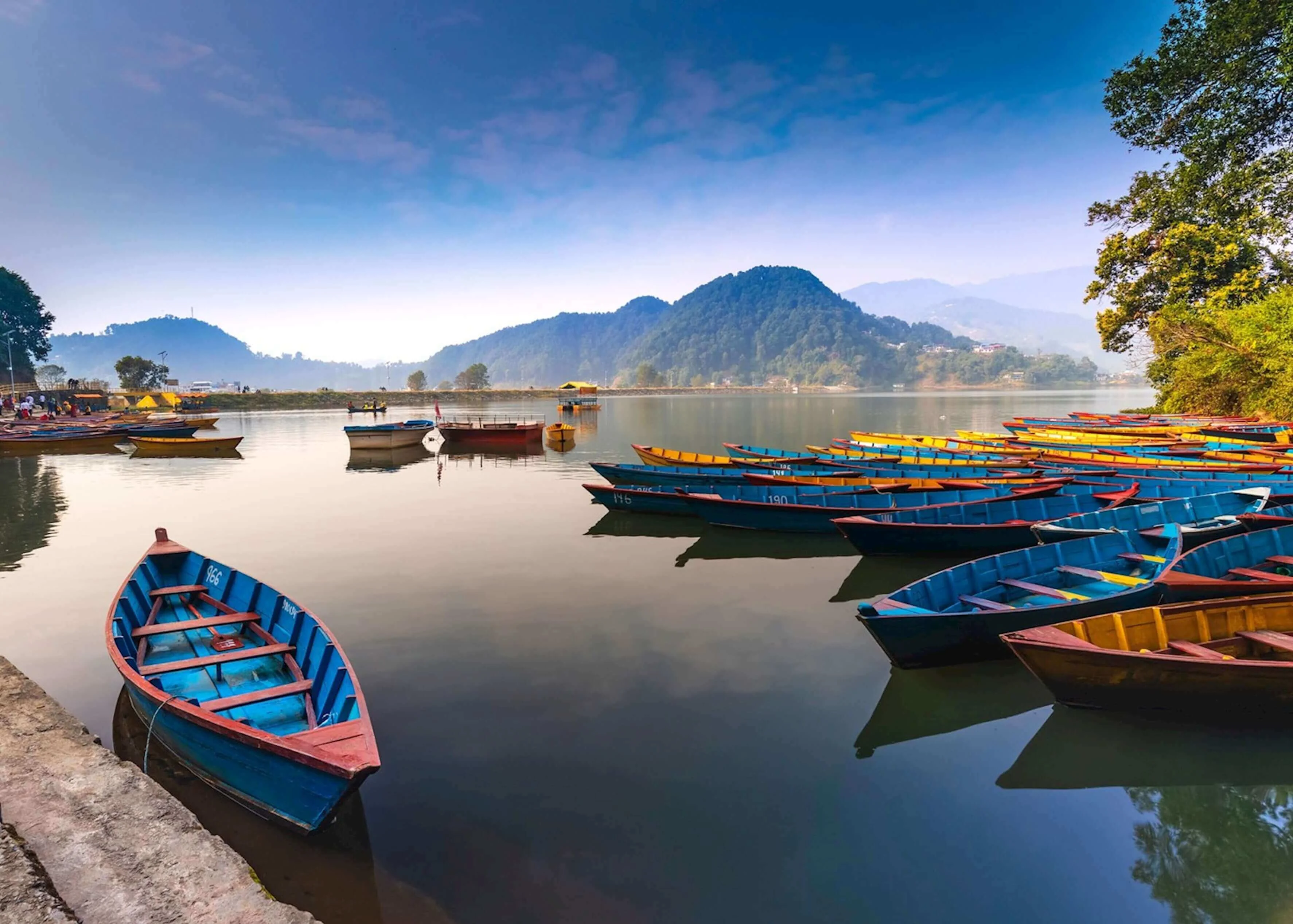
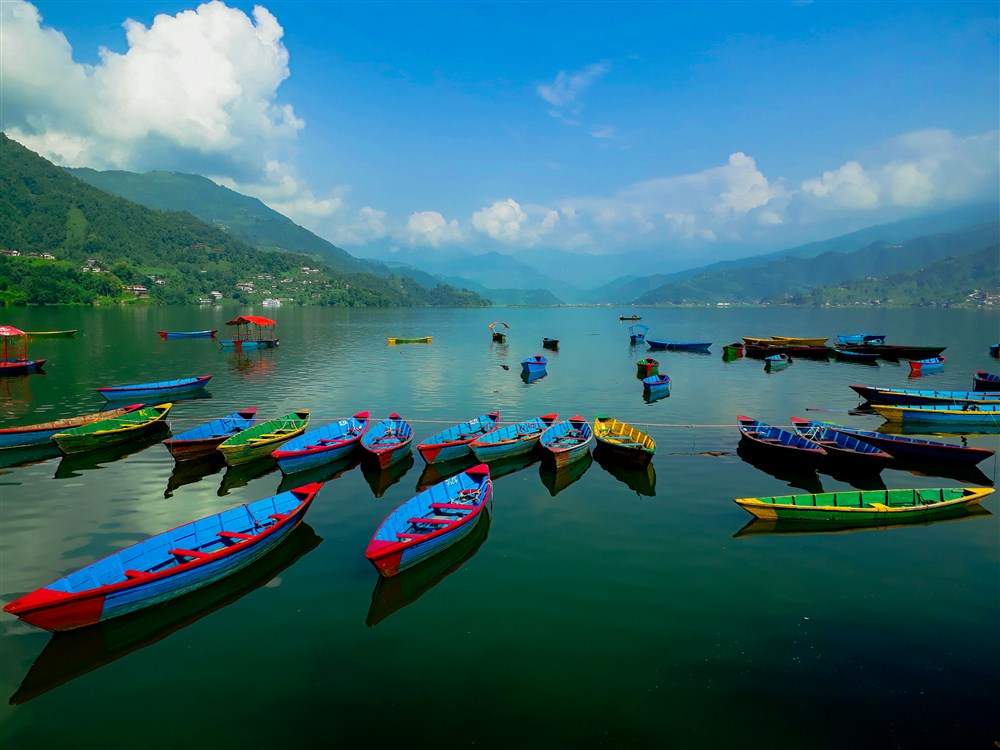
Phewa Lake is one of the most recognizable attractions in Pokhara and a natural starting point for exploring the city. The lake is surrounded by hills and offers beautiful views of the Annapurna region when weather conditions are clear. Visitors can spend a relaxed morning or evening beside the water, take a traditional boat ride, or explore the Lakeside area nearby. The eastern shore is lined with hotels, restaurants, cafés, shops, and other visitor facilities. One of the highlights of the lake is Tal Barahi Temple, located on an island in the middle of Phewa Lake. Travelers can reach the temple by boat from the Lakeside area.
Why visit: Boating, mountain views, photography, lakeside walks, and a relaxed atmosphere.
2. Sarangkot

Sarangkot is one of the most popular viewpoints near Pokhara. Located on a hill above the valley, it is particularly known for sunrise and sunset views. Early morning visitors may see the first sunlight falling across the Annapurna range, while clear days can provide impressive views of the Himalayan landscape. Sarangkot is also associated with adventure activities such as paragliding and ziplining. Nepal Tourism Board identifies Sarangkot as a viewpoint for sunrise, sunset, and mountain scenery.
Why visit: Sunrise, sunset, Himalayan views, photography, and adventure activities.
3. World Peace Pagoda
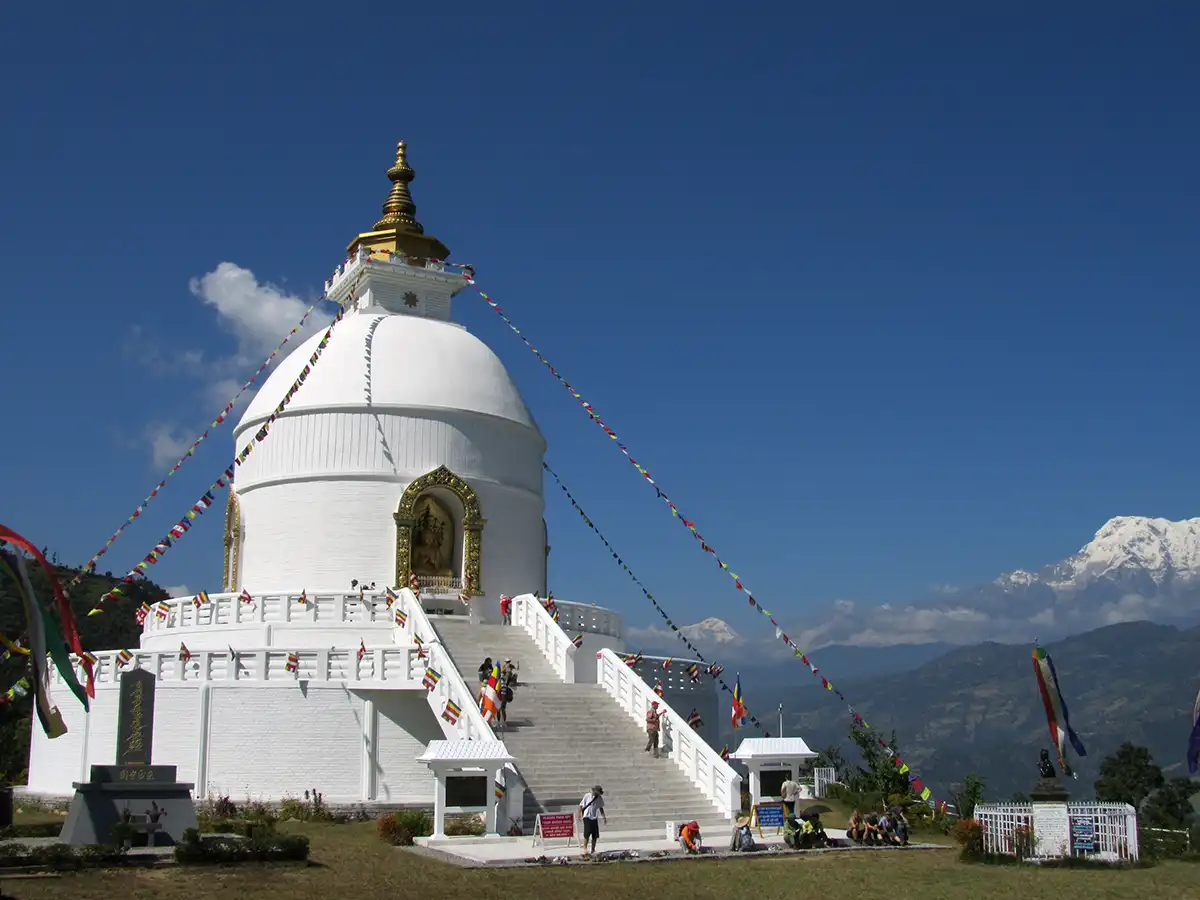
The World Peace Pagoda stands on a hill overlooking Phewa Lake. Its elevated location makes it an excellent place to enjoy panoramic views of the lake, Pokhara Valley, and surrounding mountains. The white dome-shaped structure has Buddha images facing the four directions. Besides sightseeing, many visitors come here for the peaceful surroundings and the views from the hilltop. The Nepal Tourism Board notes that the pagoda provides a notable vantage point for views of the Annapurna range.
Why visit: Peaceful surroundings, Buddhist architecture, hill views, and mountain scenery.
4. Davis Falls
Davis Falls, also known as Patale Chhango, is a well-known waterfall in Pokhara. The water flows through a rocky landscape and disappears underground, creating a distinctive natural feature. It is located in the southern part of the city and can easily be included in a sightseeing route with other nearby attractions. For first-time visitors, the waterfall is a good stop for a short visit and photography rather than something that requires an entire day.
Why visit: Natural scenery, photography, and an interesting waterfall landscape.
5. Gupteshwar Mahadev Cave
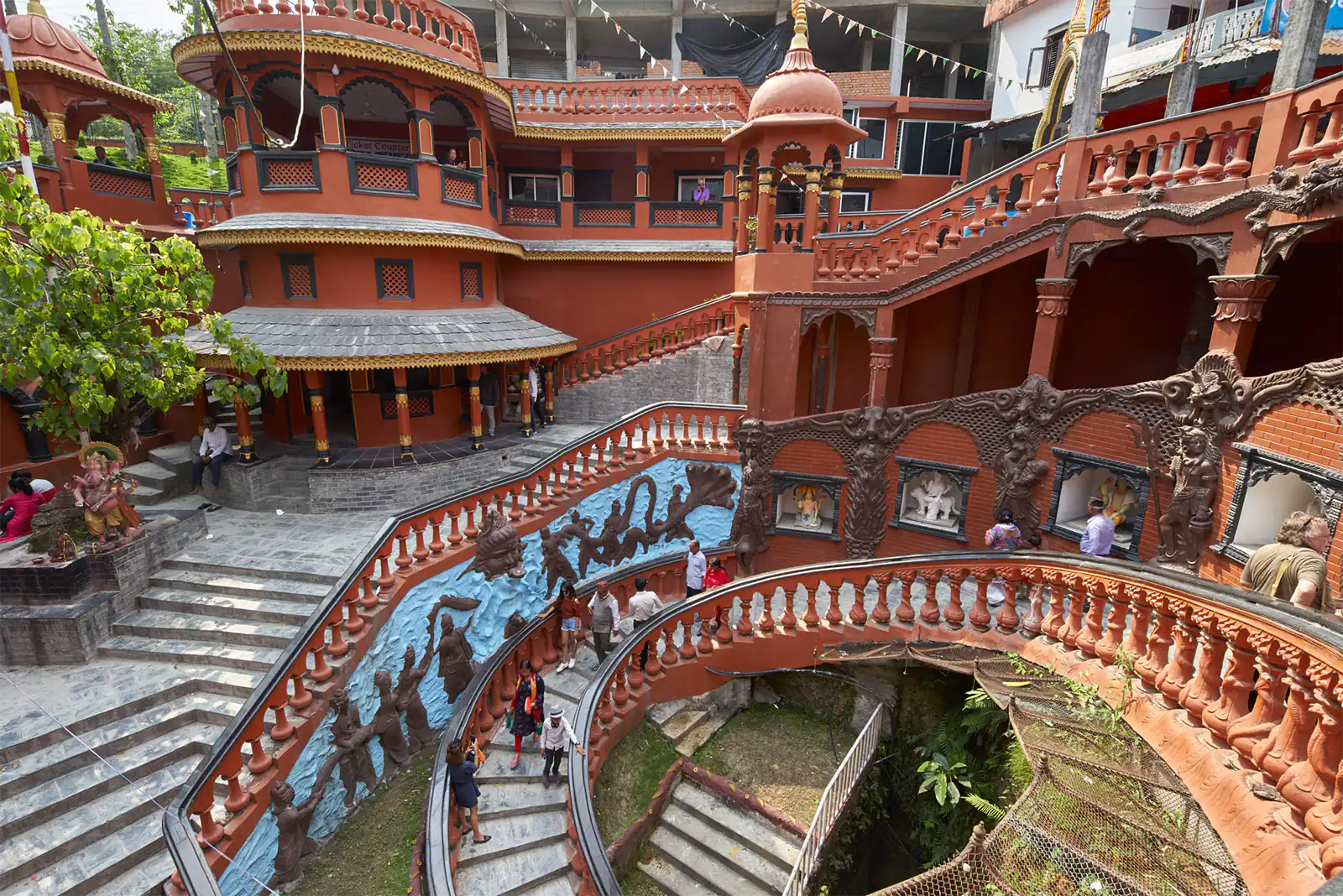
Located near Davis Falls, Gupteshwar Mahadev Cave is a religious and natural attraction. The cave contains a shrine dedicated to Lord Shiva and is associated with the underground water system connected with the area around the waterfall. The Nepal Tourism Board describes Gupteshwar as a sacred cave near Davis Falls, making the two attractions convenient to combine during sightseeing. Visitors should be prepared for a darker, enclosed environment inside the cave and wear comfortable footwear.
Why visit: Religious significance, cave exploration, and a convenient combination with Davis Falls.
6. International Mountain Museum
The International Mountain Museum is a useful stop for travelers who want to understand Nepal’s mountaineering history and Himalayan culture beyond sightseeing. The museum has exhibits covering mountaineering history, major mountain regions, and mountain communities. According to the Nepal Tourism Board, its main exhibition areas include the Hall of the Great Himalaya, Hall of Fame, and Hall of World Mountains. It can be particularly interesting for travelers planning a trek or anyone interested in Himalayan exploration.
Why visit: Mountaineering history, Himalayan culture, exhibitions, and educational sightseeing.
7. Bindhyabasini Temple
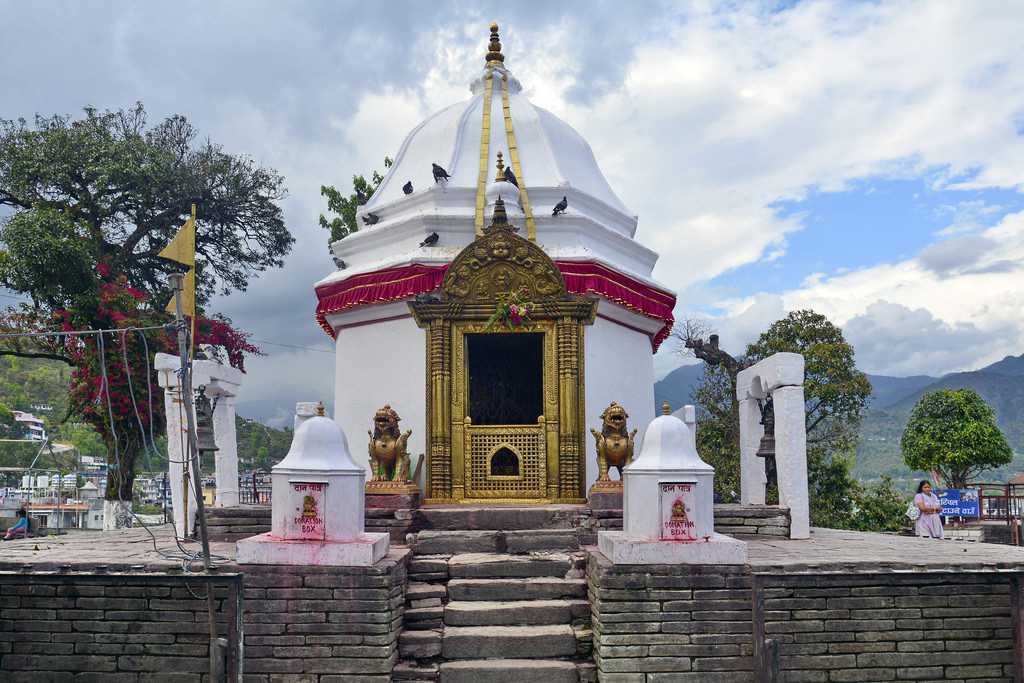
Bindhyabasini Temple is an important religious site in Pokhara and one of the city’s best-known temples. It is dedicated to Goddess Durga and is located in the old town area.The temple stands on elevated ground and has a peaceful setting. Visitors can experience a different side of Pokhara here, away from the cafés and hotels around Lakeside.The Nepal Tourism Board describes Bindhyabasini as one of Pokhara’s most famous temples and notes its location in the heart of the old town.
Why visit: Religious heritage, traditional architecture, local culture, and peaceful surroundings.
8. Old Bazaar
Old Bazaar provides an opportunity to see a more traditional side of Pokhara. Compared with the modern tourist atmosphere around Lakeside, this part of the city offers a glimpse into local commerce, historic buildings, temples, and traditional Newari architectural influences.It can be a good addition to a first-time itinerary for travelers who want to experience more than natural attractions.The Nepal Tourism Board highlights the Old Bazaar and Bindhyabasini area among Pokhara’s notable places to see.
Why visit: Local culture, traditional architecture, temples, shopping, and historic atmosphere.
9. Begnas Lake
Begnas Lake is a quieter alternative to the more active Phewa Lake area. Located outside the central tourist zone, it offers a more relaxed setting surrounded by hills and greenery.Visitors can enjoy boating, nature, photography, or simply spend time away from the busier parts of Pokhara.Nepal Tourism Board lists Begnas among Pokhara’s major lakes and notes that the surrounding lake areas offer opportunities for boating and other leisure activities.
Why visit: Peaceful surroundings, boating, nature, and a less crowded experience.
10. Seti River Gorge
The Seti River is another unusual natural feature of Pokhara. In several parts of the city, the river flows through a deep gorge, creating striking views despite the relatively narrow channel.Mahendra Pul is one location where visitors can observe the river and its gorge. The Nepal Tourism Board notes that the Seti River becomes particularly deep in sections as it passes through the city.It is a short sightseeing stop that can be combined with visits to the Old Bazaar and other central attractions.
Why visit: Natural landscape, river gorge, photography, and a quick sightseeing experience.
How to Plan Your First Pokhara Sightseeing Trip
First-time visitors do not necessarily need to visit all 10 attractions in a single day. Grouping nearby places can make the journey more comfortable. If you are planning a longer holiday, you can also compare different Nepal travel packages from Ayodhya based on your preferred duration and destinations.
Day 1: Lakeside and Phewa Lake
Begin around Phewa Lake and explore the Lakeside area. You can enjoy boating, visit Tal Barahi Temple, and spend the evening around the lake.
Day 2: Sarangkot and Central Pokhara
Start early for Sarangkot if you want to experience sunrise. After returning to the city, explore attractions such as Bindhyabasini Temple, Old Bazaar, and the Seti River area.
Day 3: Waterfalls, Cave and Museum
Use another day for Davis Falls and Gupteshwar Mahadev Cave. You can also include the International Mountain Museum depending on your schedule.
If you have additional time, consider visiting Begnas Lake or exploring other viewpoints and activities around the valley.
Best Time to Visit Pokhara
The ideal travel period depends on what you want to experience. Clear weather is particularly useful for travelers interested in mountain views, sunrise, photography, and outdoor activities.
Spring and autumn are commonly preferred for clearer mountain scenery and outdoor exploration, while the warmer months can bring rain. Winter can offer pleasant daytime sightseeing conditions, although mornings and evenings may be cooler.
Because mountain visibility can change with weather, it is useful to keep some flexibility in your itinerary.
What to Experience in Pokhara Besides Sightseeing
Pokhara is not only about visiting landmarks. The destination also offers a range of activities for different types of travelers.
Depending on weather, season, and personal interests, visitors can consider:
- Boating on Phewa Lake
- Paragliding from the Sarangkot area
- Hiking around the valley
- Mountain biking
- Birdwatching
- Visiting museums
- Exploring local markets and temples
- Enjoying views of the Annapurna range
Nepal Tourism Board lists boating, hiking, mountain biking, birdwatching, paragliding, ultralight flights, ziplining, and museum visits among activities available around Pokhara.
Tips for First-Time Travelers in Pokhara
Start sightseeing early: Popular viewpoints such as Sarangkot are particularly useful in the morning when mountain visibility may be better.
Keep comfortable footwear: Several attractions involve walking, steps, uneven paths, or hill areas.
Allow extra travel time: Traffic and local road conditions can affect travel time between attractions.
Check the weather: Mountain views are highly dependent on weather conditions.
Combine nearby attractions: Davis Falls and Gupteshwar Mahadev Cave, for example, can be visited together.
Keep some flexibility: A flexible schedule makes it easier to adjust sightseeing when weather affects visibility or outdoor activities.
Frequently Asked Questions
What are the best places to visit in Pokhara for first-time travelers?
Phewa Lake, Sarangkot, World Peace Pagoda, Davis Falls, Gupteshwar Mahadev Cave, International Mountain Museum, Bindhyabasini Temple, Old Bazaar, Begnas Lake, and Seti River Gorge are useful choices for a first visit.
How many days are enough for Pokhara?
Two to three days can provide a good introduction to Pokhara’s major attractions. Travelers interested in trekking, adventure activities, or slower sightseeing may want to stay longer.
Is Pokhara suitable for families?
Yes. Pokhara has a mix of sightseeing, lakeside activities, cultural attractions, museums, and nature-based experiences, allowing families to choose activities according to age and interests.
What is Pokhara famous for?
Pokhara is particularly known for its lakes, Himalayan mountain views, Annapurna-region access, viewpoints, adventure activities, temples, caves, and relaxed Lakeside atmosphere.
Can I cover the main Pokhara attractions in two days?
Many major attractions can be covered in two days with a well-organized itinerary. However, adding another day allows more relaxed sightseeing and provides extra time for activities or nearby destinations.
Final Thoughts
Pokhara offers a combination of natural beauty, mountain scenery, culture, spirituality, and adventure, making it an appealing destination for first-time visitors to Nepal. From the calm waters of Phewa Lake and sunrise views from Sarangkot to the World Peace Pagoda, historic temples, waterfalls, caves, and museums, each attraction provides a different experience. Rather than rushing through every location, travelers can select attractions based on their interests and build a comfortable itinerary. With a little planning around weather, travel time, and opening schedules, a first trip to Pokhara can include both the city's famous sights and quieter experiences. For travelers visiting Nepal from India, combining Pokhara with destinations such as Lumbini, Kathmandu, or Muktinath can make the journey more comprehensive.