Nepal is a country where festivals bring people together and keep cultural traditions alive. Throughout the year, different communities celebrate special occasions through religious ceremonies, traditional music, family gatherings and colourful decorations. Among these celebrations, Dashain and Tihar are two of the most important festivals in Nepali culture.
These festivals are celebrated with great enthusiasm across the country. Dashain represents the victory of good over evil and the importance of family blessings, while Tihar celebrates the connection between humans, animals, nature and family relationships. Together, they create one of the most exciting festive periods in Nepal.
For travellers, this season offers an opportunity to understand the country's traditions, experience local hospitality and discover how festivals shape everyday life in Nepali communities.
Travellers planning a holiday can explore different Nepal Tour Packages to discover the country's traditions, heritage and beautiful destinations.
Understanding the Importance of Festivals in Nepal
Festivals are an important part of Nepal's cultural identity. They connect generations, preserve traditional values and provide opportunities for families and communities to celebrate together.
Different regions and communities have their own customs, religious practices and ways of celebrating. Some festivals are connected with Hindu mythology, while others reflect Buddhist traditions, seasonal changes and local history.
Dashain and Tihar are particularly special because they encourage people to spend time with loved ones, respect traditional beliefs and express gratitude.
During this festive period, markets become lively, homes are decorated and traditional foods are prepared. People living in cities often travel to their hometowns to celebrate with their families.
Dashain: Celebrating the Victory of Good Over Evil
Dashain is one of Nepal's biggest annual festivals. It generally takes place in September or October and continues for fifteen days.
The festival celebrates the victory of Goddess Durga over the demon Mahishasura. It symbolises the triumph of truth and righteousness over negative forces.
For Nepali families, Dashain is also a special time for reunions, blessings and celebrations.
Important Dashain Traditions
Ghatasthapana: This day marks the beginning of Dashain. Families establish a sacred place for worship and sow barley seeds to grow Jamara, which is later used during the main celebrations.
Phulpati: The seventh day is associated with traditional religious offerings and ceremonies.
Maha Ashtami and Maha Navami: These days are dedicated to Goddess Durga through prayers, temple visits and special rituals.
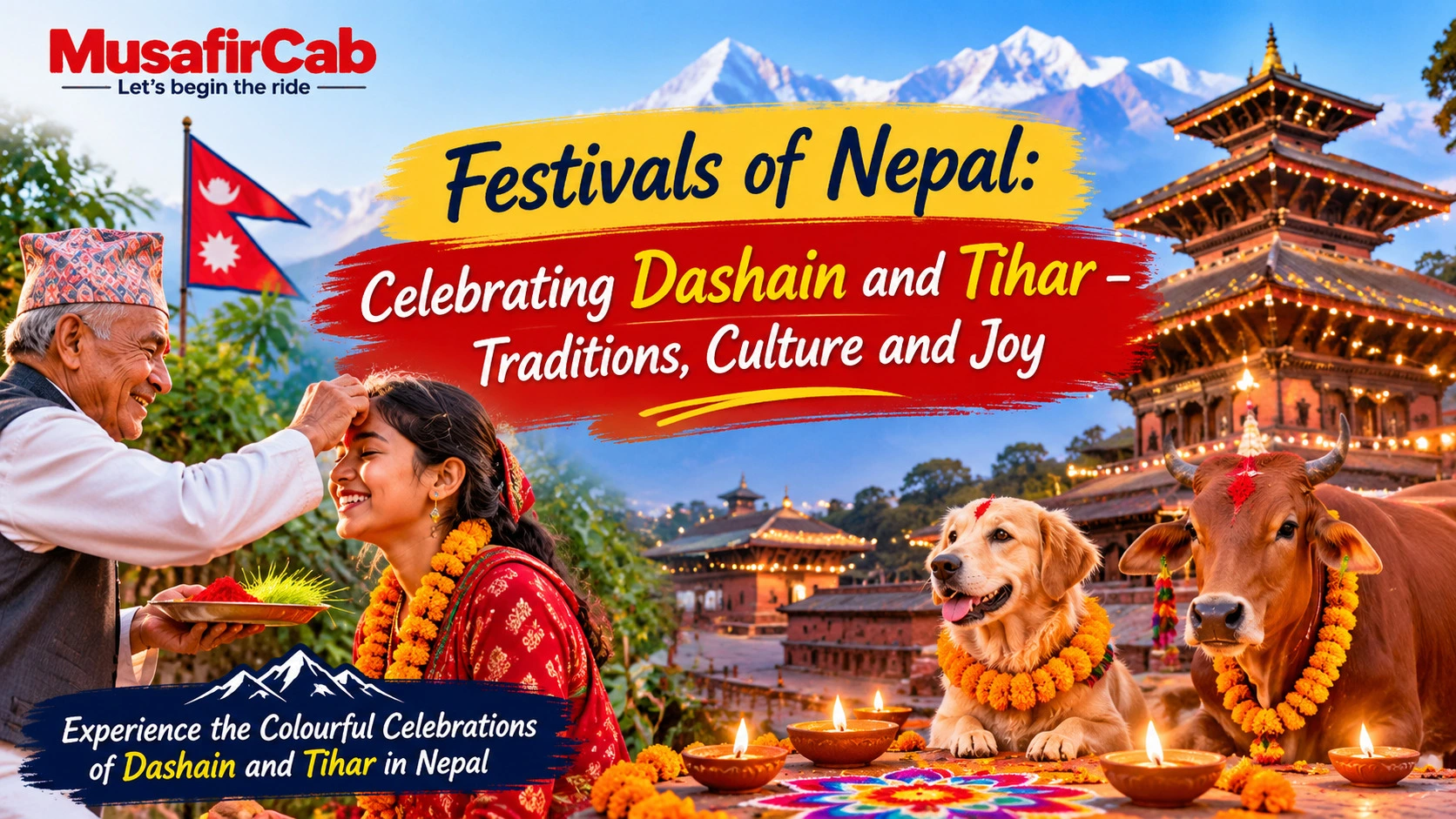
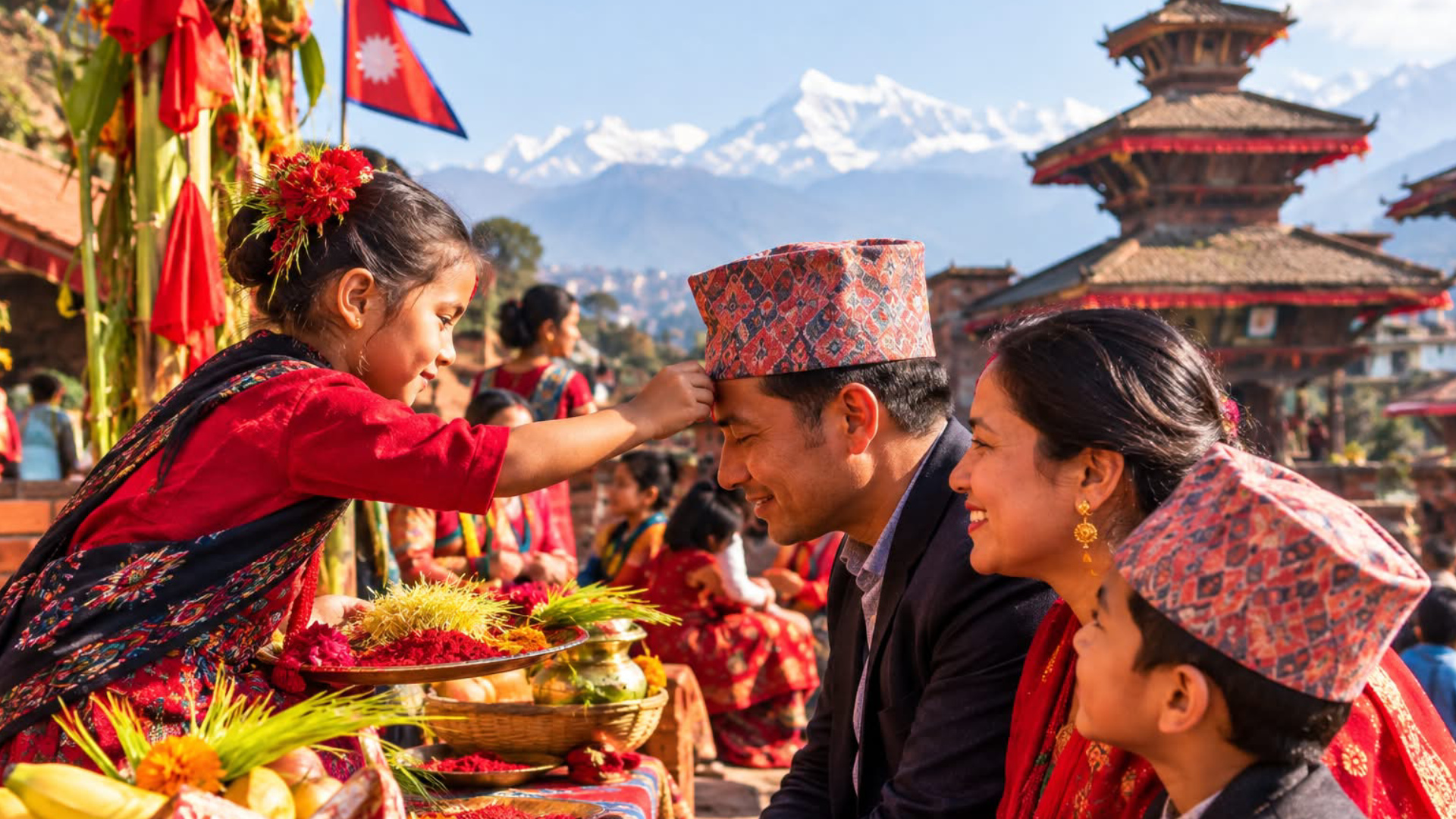
Vijaya Dashami: This is the main day when younger family members receive tika and Jamara from elders, along with blessings for happiness, good health and prosperity.
Kojagrat Purnima: The final day marks the conclusion of the fifteen-day celebration.
How Families Celebrate Dashain
Dashain is closely connected with family relationships. People travel from different cities and even other countries to meet their relatives.
Families clean and decorate their homes, prepare traditional meals and organise gatherings. Children enjoy receiving blessings and gifts, while adults spend time reconnecting with relatives and friends.
Traditional swings, known as Ping, are also associated with Dashain celebrations in many communities. These swings are often made using bamboo and rope and become popular attractions for children and adults.
The festival creates an atmosphere of happiness, togetherness and cultural pride.
Tihar: The Beautiful Festival of Lights
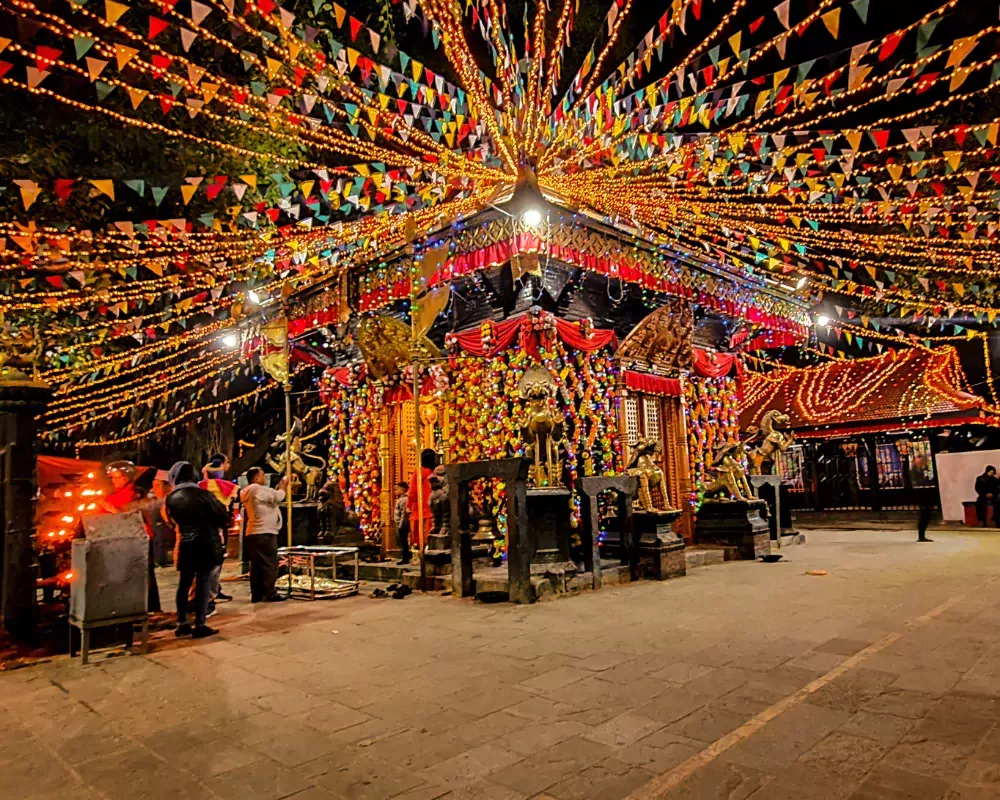
Following Dashain, Tihar brings another wave of celebration across Nepal. Commonly known as the Festival of Lights, Tihar is observed over five days, usually in October or November.
Unlike Dashain, which mainly focuses on Goddess Durga and family blessings, Tihar celebrates different relationships between humans, animals and nature.
During the festival, homes are decorated with flowers, oil lamps, colourful lights and traditional patterns.
Five Days of Tihar Celebrations
Kag Tihar: The first day is dedicated to crows. People offer food to them as a traditional expression of respect.
Kukur Tihar: The second day celebrates dogs for their loyalty and companionship. Dogs receive flower garlands, tika and special food.
Gai Tihar and Lakshmi Puja: The third day honours cows and worships Goddess Lakshmi. Homes are decorated with lamps and colourful decorations to welcome prosperity.
Govardhan Puja and Mha Puja: The fourth day includes the worship of Govardhan Hill in many Hindu households. The Newar community celebrates Mha Puja, which honours the self and marks the beginning of Nepal Sambat.
Bhai Tika: The final day celebrates the special relationship between brothers and sisters. Sisters apply colourful tika to their brothers and pray for their happiness and long lives.
Deusi-Bhailo: The Musical Spirit of Tihar
One of the most enjoyable traditions of Tihar is Deusi-Bhailo.
During this celebration, groups of children and adults visit different homes, sing traditional songs and perform dances. Homeowners welcome them with food, money and gifts.
The songs often include festive greetings and wishes for happiness and prosperity.
Deusi-Bhailo creates a lively atmosphere throughout neighbourhoods and helps preserve traditional music and community relationships.
Dashain vs Tihar: What Makes These Festivals Different?
Although both festivals are celebrated during the same festive season, they have different meanings and traditions.
| Feature | Dashain | Tihar |
|---|---|---|
| Main significance | Victory of good over evil | Respect for animals, nature and relationships |
| Duration | 15 days | 5 days |
| Main religious association | Goddess Durga | Goddess Lakshmi and various traditional beliefs |
| Important ritual | Tika and Jamara | Diyas, tika and flower decorations |
| Special tradition | Family reunions and blessings | Deusi-Bhailo and Bhai Tika |
| Popular atmosphere | Family gatherings and religious ceremonies | Lights, music and colourful decorations |
Together, these festivals reflect the diversity of Nepali traditions and the importance of maintaining cultural connections.
Traditional Foods Enjoyed During Dashain and Tihar
Food is an essential part of both celebrations. Families prepare special dishes and share meals with relatives, neighbours and friends.

Some popular festive foods include:
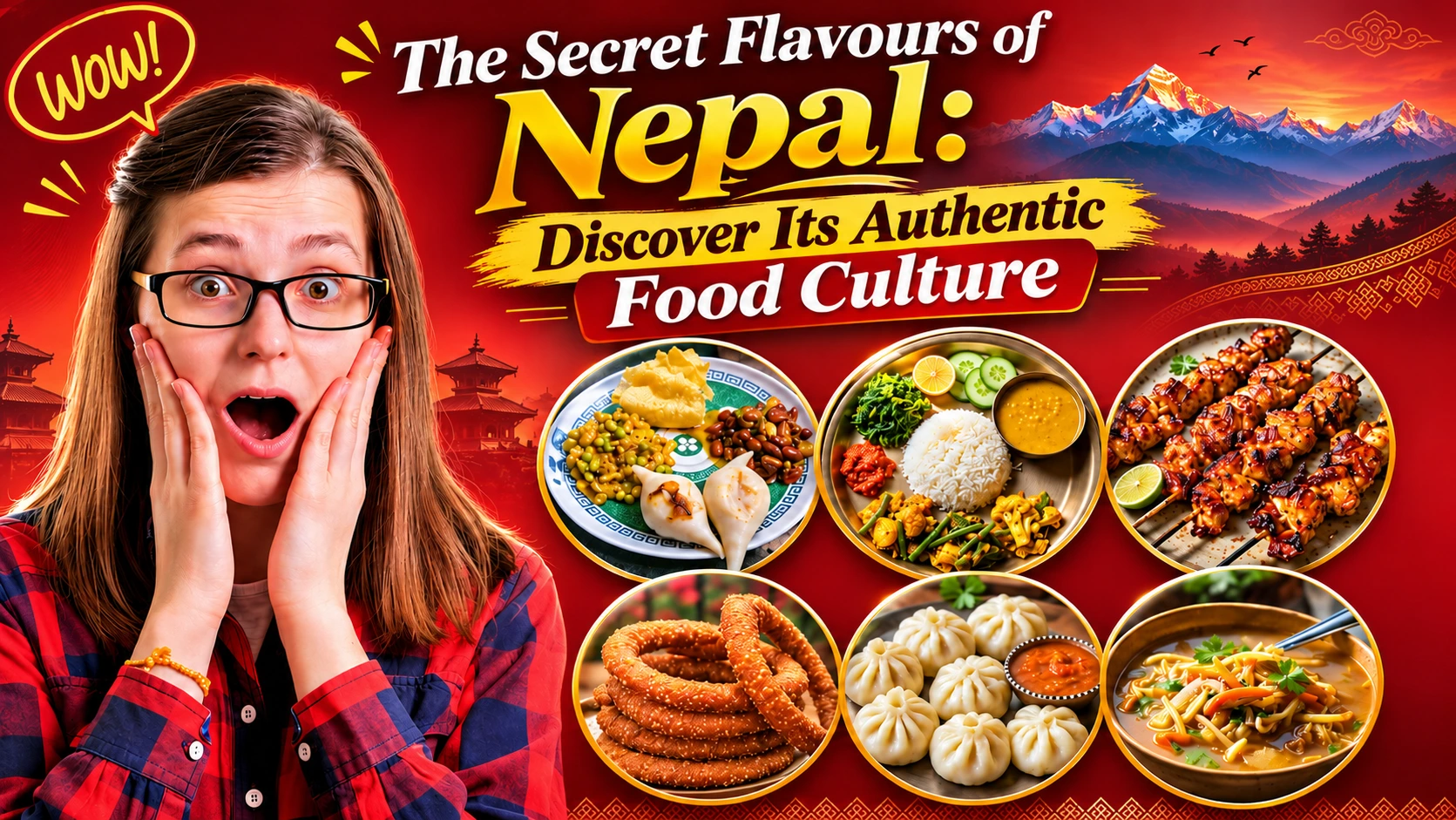
Sel Roti: A traditional ring-shaped rice bread prepared by deep-frying rice flour batter. It is especially popular during Tihar and other celebrations.
Mutton Curry: A popular dish prepared in many households during Dashain family gatherings.
Aloo Achar: A spicy potato pickle served with traditional meals.
Kheer: A sweet rice pudding made with milk, rice and sugar.
Fini Roti: A traditional layered pastry enjoyed during festive occasions.
Mithai: Different sweets are prepared or purchased to share with family members and guests.
These foods are more than just festive dishes. They represent hospitality, family traditions and the happiness of sharing special moments.
How Different Regions of Nepal Celebrate the Festive Season
The celebrations of Dashain and Tihar can be experienced throughout Nepal, although local customs and traditions may differ.
Kathmandu Valley
Kathmandu, Bhaktapur and Patan become lively during the festive season. Traditional neighbourhoods, temples and markets attract visitors interested in local culture.
The Newar community also celebrates its unique traditions during Tihar, particularly Mha Puja and Nepal Sambat New Year.
Pokhara
Pokhara offers a pleasant festive atmosphere with decorated homes, family celebrations and traditional gatherings. Visitors can experience local customs while enjoying the city's beautiful surroundings.
Terai Region
Dashain and Tihar are celebrated with enthusiasm across the Terai. Families prepare traditional dishes, visit relatives and participate in religious ceremonies.
Hill Villages
In many hill communities, festivals are an important reason for people living away from home to return to their villages. Traditional gatherings, local food and community activities create a warm festive environment.
Visitors travelling from Ayodhya can plan their holiday with an Ayodhya to Nepal Tour Package and experience Nepal's cultural and natural beauty.
What Can Tourists Experience During Dashain and Tihar?
Travelling to Nepal during the festive season can provide a different experience from an ordinary sightseeing holiday.
Visitors can explore several aspects of Nepali culture.
Traditional Decorations: During Tihar, homes and streets are decorated with colourful lights, flowers and Rangoli patterns.
Religious Ceremonies: Visitors can learn about the cultural significance of tika, Jamara, Lakshmi Puja and other traditional rituals.
Local Markets: Festive markets offer opportunities to see traditional decorations, flowers, sweets and seasonal shopping activities.
Traditional Music: Deusi-Bhailo performances introduce visitors to the musical side of Nepali celebrations.
Family Hospitality: Travellers may notice how families come together to share food, exchange gifts and celebrate important relationships.
Visitors should always respect local customs and ask permission before photographing private ceremonies or entering residential spaces.
Best Time to Experience Dashain and Tihar in Nepal
Dashain and Tihar generally take place during September, October or November, depending on the lunar calendar.
Dashain is celebrated first, followed by Tihar. The period between these festivals offers an interesting opportunity to understand two different aspects of Nepali culture.
Travellers interested in family traditions may find Vijaya Dashami particularly meaningful, while those who enjoy colourful decorations and evening celebrations may prefer visiting during Tihar.
It is important to check the exact annual festival dates before travelling because the calendar changes every year.
Experiencing Dashain and Tihar as a Visitor
Visiting Nepal during Dashain and Tihar offers an unforgettable window into the soul of the country. Unlike staged tourist shows, these festivals are living traditions celebrated wholeheartedly in every home, alleyway, and mountain village.
If you plan to experience these festivals firsthand, a few simple tips will make your journey smooth and rewarding:
-
Plan Travel Ahead During Dashain: Because millions of Nepalis travel to their home villages during Dashain, domestic flights and long-distance buses sell out weeks in advance. Book your transportation and hotels early, and remember that many local shops and banks close for a few days around Vijaya Dashami.
-
Walk the Streets at Dusk During Tihar: Take an evening stroll through Kathmandu, Bhaktapur, or Pokhara during Laxmi Puja. Seeing historic brick squares glowing with thousands of oil lamps and decorated with marigolds is an experience you will never forget.
-
Taste the Festive Treats: Be sure to try freshly fried sel roti during Tihar, along with local sweets, spiced tea, and traditional festive meals if you are lucky enough to be invited into a Nepali home.
-
Respect Local Customs: Ask politely before taking close-up photographs of family rituals, remove your shoes before entering homes or temple courtyards, and greet locals with a warm "Namaste" or "Subha Dashain" and "Subha Tihar" (Happy Dashain and Happy Tihar).
Important Travel Tips During Nepal's Festival Season
Planning your journey around major festivals requires some preparation.
1. Book Transportation Early: Many people travel to their hometowns during Dashain and Tihar. Advance arrangements can help avoid last-minute transportation difficulties.
2. Check Business Schedules: Some shops, offices, restaurants and tourist services may operate with limited hours during important festival days.
3. Allow Extra Travel Time: Roads and public transportation can become busy during the festive period.
4. Carry Cash: Smaller shops and local markets may prefer cash payments.
5. Respect Cultural Traditions: Dress appropriately when visiting temples and follow local guidelines during religious ceremonies.
6. Plan Sightseeing Carefully: Confirm the availability of attractions and services before visiting, particularly during major celebration days.
Why Should You Experience Nepal During Its Festive Season?
Nepal's festive season offers much more than religious ceremonies. It provides an opportunity to understand the values, customs and traditions that bring communities together.
Dashain introduces visitors to the importance of family blessings, devotion and the victory of good over evil. Tihar highlights gratitude towards animals, respect for nature and the beauty of family relationships.
Experiencing both festivals allows travellers to discover the cultural richness of Nepal from a different perspective.
The colourful decorations, traditional food, local music and welcoming atmosphere make this season a memorable time to explore the country.
Explore Nepal with MusafirCab
Nepal is a destination where every journey can become a memorable experience. From cultural celebrations and traditional neighbourhoods to peaceful lakes and beautiful mountain landscapes, the country offers plenty of reasons to explore.
If you are planning a Nepal holiday during Dashain, Tihar or another season, arranging comfortable transportation can make your journey easier.
MusafirCab helps travellers explore Nepal through convenient road travel and organised tour experiences. Whether you are travelling with family, friends or a group, proper journey planning allows you to enjoy more of what Nepal has to offer.
Explore our Nepal Tour Packages and start planning your next holiday.
MusafirCab – Let's Begin the Ride!