Day 01
Arrival in Kathmandu
Kathmandu- Airport or agreed-location pickup
- Hotel check-in and trek briefing
- Gear review and final preparation
- Rest and local exploration if time permits
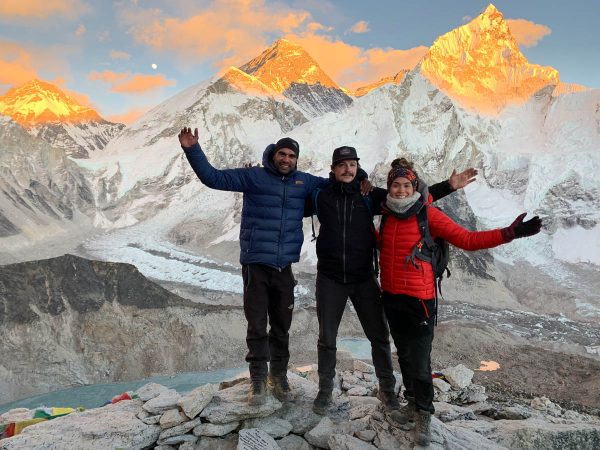
A carefully planned 13-day high-altitude trek through the Khumbu with acclimatization, tea-house stays, Sherpa settlements and Everest Base Camp.
Departure dates • Guide / porter • Stay • Trek planning
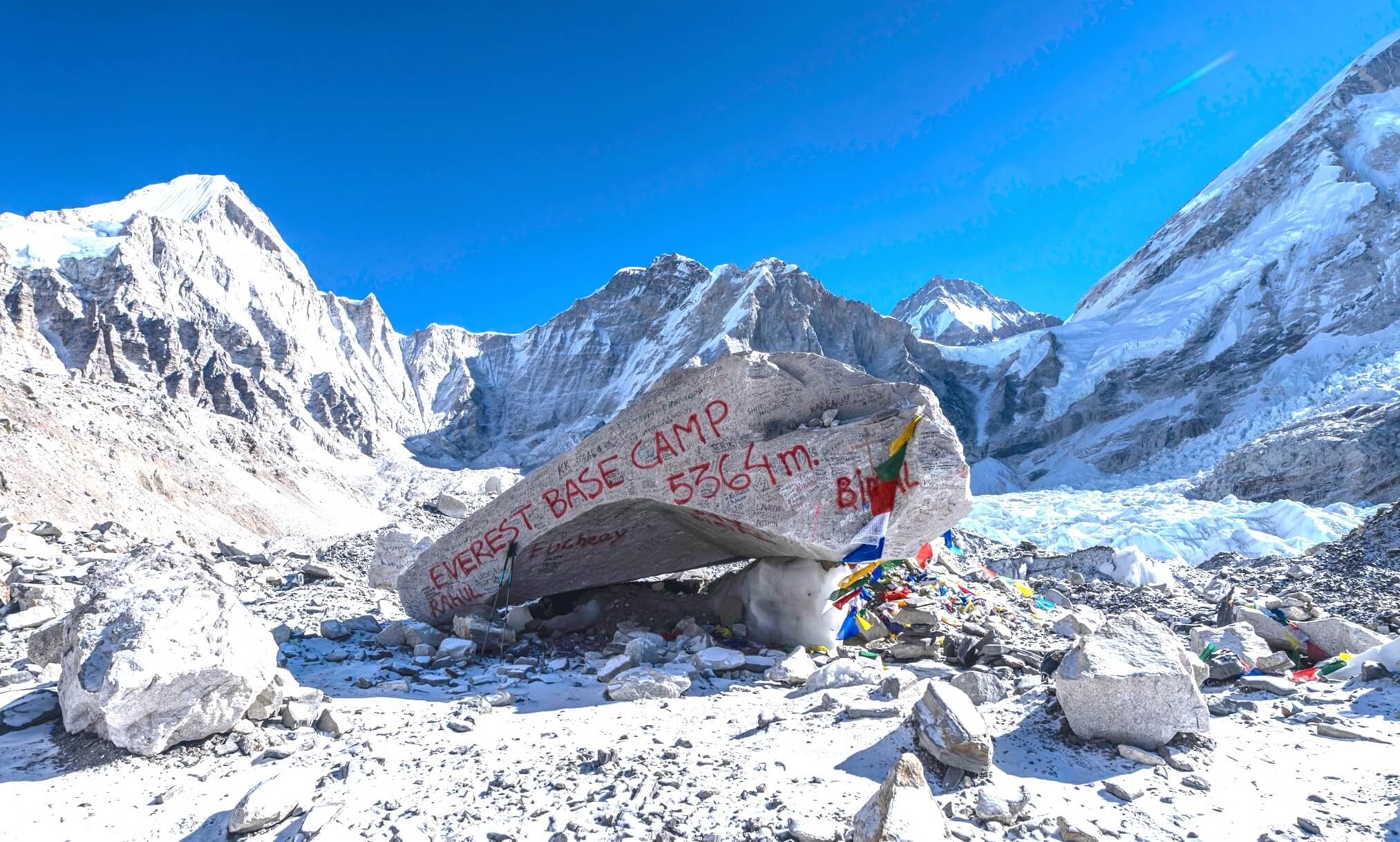
Reach the iconic base-camp area at approximately 5,364 metres.
Experience the main Sherpa hub and a key acclimatization stop.
Pass through a scenic monastery settlement in the Khumbu.
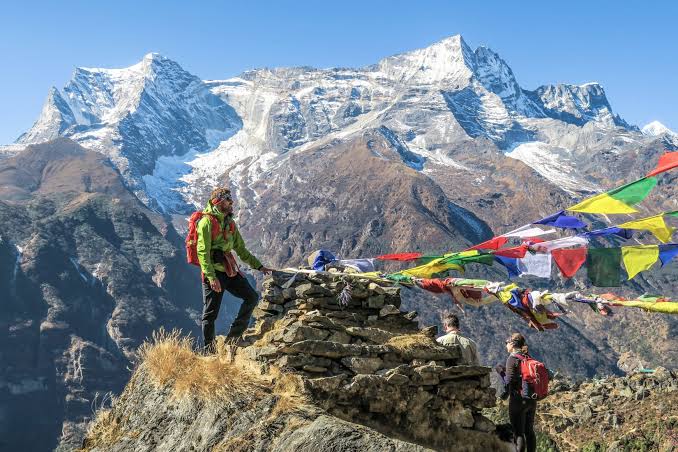
Walk through mountain settlements shaped by generations of Himalayan life.
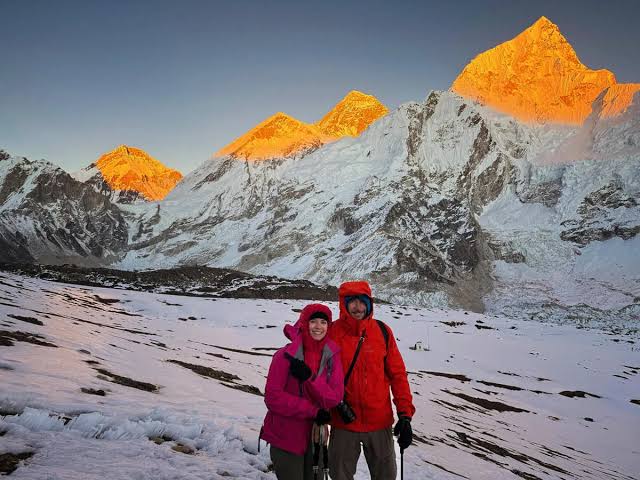
Weather and health permitting, hike toward a famous high viewpoint.
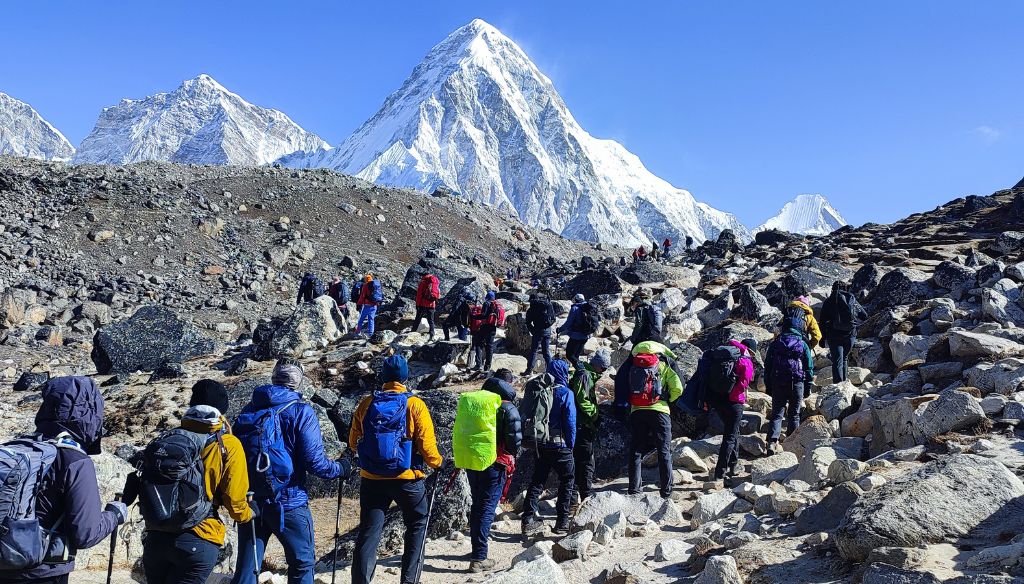
Move from forest and river valleys into exposed alpine and glacier terrain.
Build endurance with brisk walking, cycling, jogging and other regular cardiovascular activity.
Stair climbing and hill walking are useful preparation for repeated ascents and descents.
Lower-body and core strength can help reduce fatigue on long trekking days.
Headache, nausea, dizziness, loss of appetite, unusual fatigue or breathing difficulty require attention.
Do not hide worsening symptoms simply to complete the trek. Rest, assessment or descent may be necessary.
A popular trekking period with generally milder daytime trekking conditions, though high elevations remain cold.
Another preferred period, often associated with clear mountain scenery and colder nights later in the season.
Arrive in Kathmandu and complete the trek briefing. Depending on seasonal operations, travel may be required to the relevant departure airport before the Lukla flight. After landing in Lukla, the walking route begins toward Phakding.
| Service | What to Expect |
|---|---|
| Accommodation | Kathmandu hotel and tea-house / lodge accommodation along the trekking route, subject to package and availability. |
| Meals | Simple local and familiar dishes are commonly available in tea houses. |
| Hot Water | May be chargeable directly at mountain lodges where available. |
| Wi-Fi / Charging | Often limited and may involve direct payment. |
| Cash | Carry sufficient cash for personal mountain expenses because ATM access is limited outside major towns. |
Weather and visibility can cause delays or schedule changes. Keep buffer time in your Nepal plan.
Carry valid travel documents and reconfirm current permit requirements before departure.
Consider insurance that clearly covers high-altitude trekking, medical treatment and emergency evacuation where applicable.
Use safe treated, boiled or filtered water. Avoid untreated stream or tap water.
Charging may be available at lodges for an additional fee. Carry a power bank.
Confirm current guide and porter arrangements, baggage allowance and services before departure.
The route is considered a difficult high-altitude trek. The main challenge is repeated walking days combined with significant elevation gain rather than technical climbing.
The itinerary can include Kala Patthar at about 5,545 metres, subject to weather, health and guide advice. Everest Base Camp itself is lower than Kala Patthar.
The trek reaches elevations where altitude illness is a real risk. Acclimatization days at Namche and Dingboche help the body adjust gradually.
Spring and autumn are generally preferred. March to May and September to November are commonly selected, although mountain weather can change at any time.
Permit and guide requirements can change. Everest Base Camp is listed under Nepal’s revised TIMS framework, so current TIMS, park, local permit and licensed-guide requirements should be reconfirmed before departure.
Lukla operations depend heavily on weather and visibility. The itinerary includes a buffer day, but additional delays can still require route, hotel or flight changes and may involve extra costs.
Ask for current departure options, a custom service plan and a final quote.