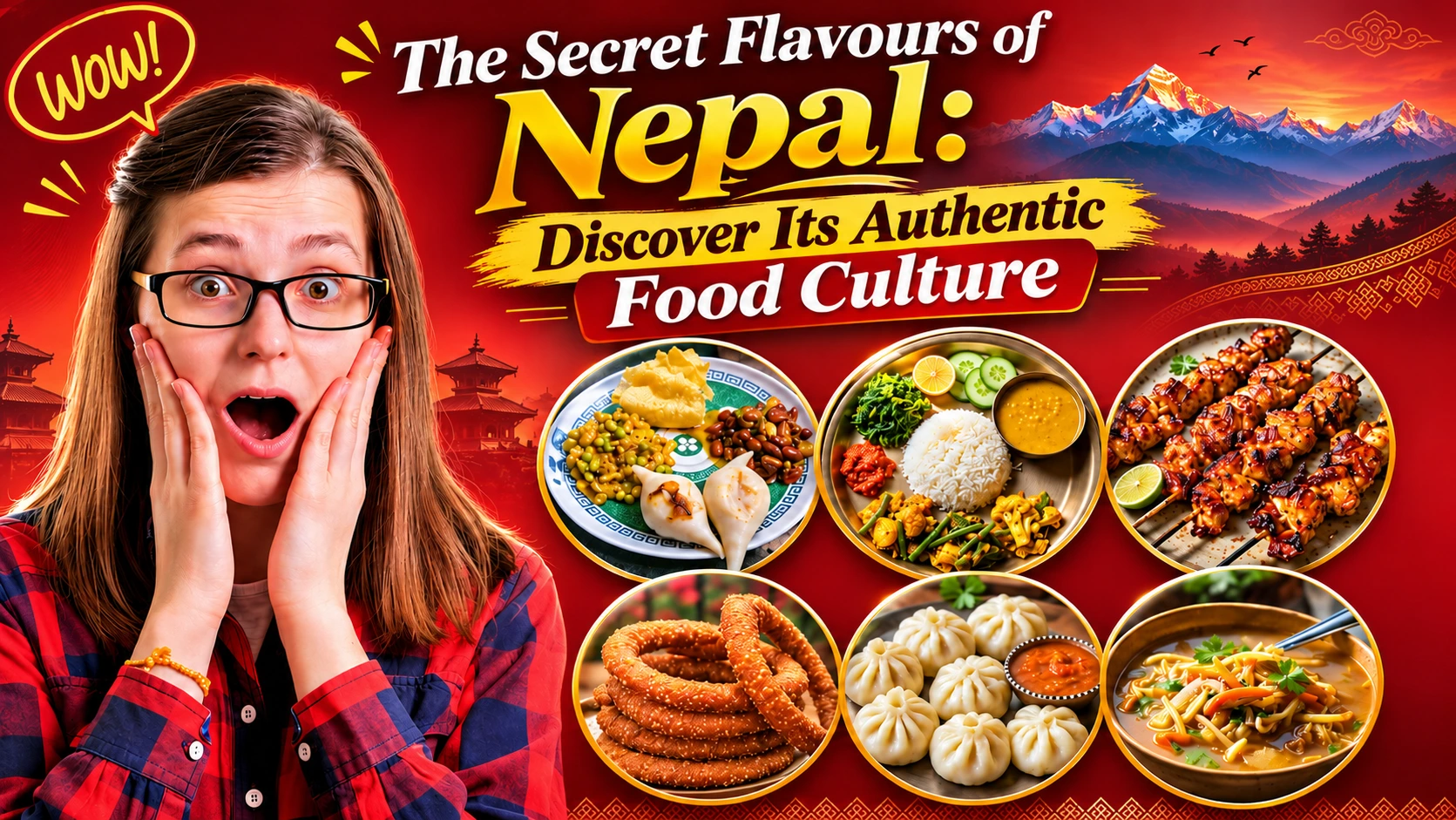
Nepal attracts travellers with its majestic Himalayan peaks, centuries-old heritage sites, sacred monasteries and diverse natural scenery. However, there is another side of the country that deserves equal attention: its food culture. From traditional Dal Bhat and flavourful Newari dishes to steaming momos and comforting Himalayan soups, Nepali cuisine offers a fascinating journey through local traditions, geography and generations of cooking knowledge. Every region of Nepal has something different to offer. The food of the Kathmandu Valley reflects centuries of Newari heritage, while the Himalayan regions are known for hearty meals that provide warmth in colder climates. In the Terai, food traditions share similarities with neighbouring Indian communities while maintaining their own regional character. For travellers, discovering Nepal through its food is an opportunity to understand the country's everyday lifestyle, cultural diversity and hospitality. Whether you are exploring Kathmandu's traditional markets, enjoying a lakeside meal in Pokhara or visiting the peaceful surroundings of Lumbini, local cuisine can make your journey more memorable. Let's explore the secret flavours of Nepal and discover the authentic food experiences every traveller should know about.
Introduction to Nepal's Rich Food Culture
Nepal's food culture has developed through a combination of geography, climate, agriculture, religion and cultural traditions. The country is home to several ethnic communities, including Newars, Tharus, Gurungs, Magars, Sherpas, Thakalis and Maithils. Each community has its own cooking methods, ingredients and traditional dishes.
Rice, lentils, vegetables, fermented foods, grains and locally available spices form an important part of everyday Nepali meals. In mountainous areas, people traditionally use ingredients that can be stored for longer periods, while the fertile Terai region offers a variety of fresh vegetables, rice and seasonal produce.
Food is also closely connected with family gatherings, religious occasions and festivals. Many traditional recipes are prepared during special celebrations and passed down from one generation to another. For tourists, exploring local cuisine provides a different perspective on Nepal beyond its popular sightseeing attractions.
Understanding the Traditional Food of Nepal
Traditional Nepali meals are known for their balanced combination of grains, vegetables, lentils, pickles and seasonal ingredients. Some dishes are enjoyed daily, while others are prepared for festivals and special occasions.
Dal Bhat – The Everyday Meal of Nepal
Dal Bhat is one of the most recognised traditional meals in Nepal. It generally consists of steamed rice (bhat) served with lentil soup (dal), seasonal vegetables, achar and sometimes a curry or additional side dishes. Although the basic combination is simple, its flavours can change significantly from one region to another. Some households prepare thicker lentil soups, while others prefer lighter versions with different spices. For travellers, trying an authentic Dal Bhat Thali at a local restaurant is one of the easiest ways to experience everyday Nepali food culture.
Dhido – A Traditional Himalayan Staple
Dhido is a traditional dish prepared by slowly mixing flour, often buckwheat, millet or maize, with boiling water until it becomes a thick, firm preparation. It is commonly served with vegetable curry, lentil soup, gundruk or other accompaniments. Dhido is particularly associated with traditional food habits in Nepal's hill and mountain communities. Visitors looking for something different from regular rice-based meals can try Dhido at restaurants serving traditional Nepali cuisine.
Gundruk and Sinki – Nepal's Fermented Food Traditions
Gundruk and Sinki represent an interesting part of Nepal's traditional food preservation methods. Gundruk is prepared by fermenting leafy green vegetables, while Sinki is made through the fermentation of radish roots. Both are valued for their distinctive sour taste and are commonly used in soups, side dishes and traditional meals. These foods developed as practical ways of preserving vegetables, particularly in areas where fresh produce was not always available throughout the year.
Sel Roti – A Traditional Nepali Sweet Bread
Sel Roti is a ring-shaped, deep-fried bread made mainly from rice flour, sugar and other ingredients. It has a slightly crispy exterior and a soft interior. It is especially popular during festivals such as Dashain and Tihar, when families prepare it at home and share it with relatives and guests. Its distinctive shape and sweet flavour make it one of the most recognisable traditional foods of Nepal.
Achar – The Flavour That Completes Every Meal
Achar is an essential accompaniment in many Nepali meals. It can be prepared using tomatoes, radishes, chillies, sesame seeds, fruits and other ingredients.
Some varieties are fresh and spicy, while others are sour, tangy or fermented. A well-prepared achar adds an extra layer of flavour to Dal Bhat and other traditional dishes.
Famous Nepali Dishes Every Traveller Should Try
Beyond everyday meals, Nepal has several popular dishes that have become an important part of its food identity. These are some of the must-try foods for first-time visitors.
Momo – Nepal's Most Loved Dumplings
Momo is among the most popular foods in Nepal. These dumplings are usually filled with vegetables, chicken, buff meat or other locally preferred ingredients. They can be steamed, fried or served in a spicy soup. Most varieties are accompanied by a tomato-based dipping sauce known as achar. From small street-side stalls to established restaurants, momos are widely available in Kathmandu and Pokhara.
Thukpa – A Comforting Himalayan Noodle Soup
Thukpa is a warming noodle soup associated with Himalayan food traditions. It generally contains noodles, vegetables and a flavourful broth, with meat added in some versions. Its comforting nature makes it especially enjoyable in colder regions and during winter. Travellers visiting mountain communities may find different regional versions of this traditional dish.
Chatamari – The Traditional Newari Rice Crepe
Chatamari is a well-known Newari speciality prepared using a thin rice-flour base. It is sometimes described as a Nepali-style rice crepe. It can be topped with minced meat, eggs, vegetables and spices. Its preparation and toppings vary according to local preferences. It is particularly worth trying when exploring the traditional food culture of the Kathmandu Valley.
Yomari – A Sweet Newari Delicacy
Yomari is a traditional Newari sweet made from rice flour dough and shaped into a distinctive pointed form. It is commonly filled with chaku (a concentrated sweet preparation) or khuwa.
This delicacy has cultural importance and is traditionally associated with the Newari festival of Yomari Punhi.
Bara – A Popular Newari Snack
Bara is a savoury pancake-like dish made from ground black lentils or other lentils. It is usually cooked on a flat pan and may be prepared with eggs or minced meat.
Its soft texture and savoury flavour make it a popular snack in Newari households and restaurants.
Choila – A Traditional Spiced Newari Dish
Choila is a popular Newari delicacy prepared by roasting meat over heat and combining it with aromatic spices, mustard oil, fresh herbs and traditional seasonings to create a bold, smoky flavour.
It is often served with beaten rice (chiura) and other accompaniments. Its smoky aroma and spicy taste make it a distinctive part of Newari cuisine.
Exploring Nepal's Regional Food Specialities
One of the most interesting aspects of Nepali cuisine is how food changes across different geographical regions. A journey through Nepal can introduce visitors to several culinary traditions.
Kathmandu Valley – The Rich Newari Food Culture
Kathmandu Valley is one of the best places to explore traditional Newari cuisine. The Newar community has developed a rich food culture featuring dishes such as bara, chatamari, yomari, choila and samay baji. Traditional eateries around Kathmandu, Patan and Bhaktapur offer opportunities to discover these local specialities.
Travellers planning a cultural holiday can combine local food experiences with visits to historic temples, courtyards and heritage sites. Those interested in exploring the capital can also check our Kathmandu Tour Package for travel and sightseeing ideas.
Pokhara – Local Food with Himalayan Influences
Pokhara offers a peaceful blend of scenic lakes, stunning Himalayan scenery and a laid-back travel experience. Its food scene brings together traditional Nepali meals, Himalayan dishes and international cuisine.
Visitors can enjoy Dal Bhat, momos, thukpa and local snacks at restaurants around Lakeside. Traditional Thakali meals are also worth trying. A food experience in Pokhara can easily become part of a sightseeing day around Phewa Lake, Devi's Fall and other popular attractions. If you are planning to explore this beautiful city, our Nepal Tour Packages include travel options covering Pokhara and other major destinations.
Mustang – Traditional Thakali and Himalayan Cuisine
The Mustang region is particularly associated with Thakali cuisine, which is known for its balanced and carefully prepared meals. A traditional Thakali Khana set often includes rice, lentils, seasonal vegetables, leafy greens, achar and other side dishes. In mountain communities, food traditions are influenced by local agriculture, climate and Tibetan cultural connections. Buckwheat, barley and other locally available ingredients play an important role.
Terai Region – Flavours Influenced by Indian and Nepali Traditions
The Terai region of Nepal has a diverse culinary identity shaped by communities living across the southern plains. Rice-based meals, lentils, seasonal vegetables, fish preparations and traditional sweets are common in different areas. Maithili and Tharu food traditions also contribute to the region's culinary diversity. Visitors exploring Lumbini, Janakpur and nearby towns can discover local dishes that reflect the region's cultural connections and agricultural lifestyle.
Janakpur – Mithila Cuisine and Traditional Dishes
Janakpur is an important cultural and religious destination associated with the Mithila region. Its food traditions include rice-based dishes, seasonal vegetables, homemade sweets and traditional preparations served during festivals and family celebrations. Visitors exploring Janaki Mandir and the surrounding cultural areas can also experience the local food of the Mithila community.
Traditional Nepali Drinks You Should Experience
Nepal's food culture also includes several traditional beverages. Some are enjoyed daily, while others have a connection with specific communities and celebrations.
Chiya – Nepal's Everyday Milk Tea
Chiya is a popular everyday beverage in Nepal. It is generally prepared using tea leaves, milk, sugar and sometimes spices such as cardamom or ginger. Small tea shops are common in cities, towns and roadside areas, making it an easy drink to enjoy during sightseeing breaks.
Tongba – A Traditional Himalayan Drink
Tongba is a culturally significant Himalayan drink made from fermented millet and traditionally enjoyed by the Limbu community in eastern Nepal. It is traditionally served in a special container with warm water added to fermented millet. It is an important part of certain community gatherings and cultural traditions.
Lassi – A Refreshing Traditional Beverage
Lassi is a yoghurt-based drink enjoyed in several parts of Nepal, particularly in the southern plains. It is commonly prepared in sweet or savoury versions and can be a refreshing choice during warmer weather.
Chhaang – A Traditional Fermented Beverage
Chhaang is a traditional fermented grain-based beverage associated with Himalayan communities. Its preparation and consumption vary by region and community. Travellers should remember that Tongba and Chhaang are alcoholic beverages and are optional cultural experiences.
Food Traditions and Festivals of Nepal
Food plays an important role in Nepal's festivals. Special dishes are prepared, shared and offered during religious celebrations and family gatherings.
Food Celebrations During Dashain
Dashain is one of Nepal's major Hindu festivals. Families come together, receive blessings and celebrate with traditional meals.
Food preparations vary between communities and households, with festive dishes and special family meals forming an important part of the celebration.
Traditional Sweets During Tihar
Tihar is known for colourful decorations, lights and family celebrations. Traditional sweets and homemade delicacies are commonly prepared and shared during the festival. Sel Roti is particularly associated with festive food traditions during this period.
Newari Food Traditions During Festivals
Newari celebrations often include elaborate food preparations. Dishes such as yomari, bara, choila and samay baji reflect the cultural importance of food in community gatherings.
The Cultural Importance of Food in Nepali Families
In many Nepali communities, sharing food is an expression of hospitality, respect and togetherness.
Traditional recipes are often prepared collectively, especially during festivals, weddings and religious occasions. For travellers, understanding these customs makes food exploration more meaningful.
Where to Experience Authentic Nepali Food
Finding authentic food is not difficult in Nepal if you know where to look.
Traditional local restaurants: Look for restaurants serving Dal Bhat, Thakali Khana and regional specialities. These are good places to experience familiar everyday meals.
Street food markets in Kathmandu: Local markets and busy neighbourhoods offer opportunities to try momos, bara, chatamari and other snacks. Choose vendors with good food-handling practices and freshly prepared dishes.
Local eateries in Pokhara: Restaurants around Lakeside offer a mix of traditional Nepali food and regional specialities. Try a local Thakali meal or freshly prepared momos.
Traditional food experiences in Himalayan villages: In mountain settlements, locally prepared meals can offer insight into traditional ingredients and cooking practices. Availability varies depending on the village and season.
What Makes Nepali Food Different from Indian Cuisine?
Nepali and Indian cuisines share several similarities because of geographical proximity, cultural connections and the movement of communities across the region. Both cuisines use rice, lentils, vegetables, spices and a variety of pickles. However, Nepali food also has distinctive regional dishes and preparation methods.
For example, Dal Bhat is a central part of everyday Nepali meals, while gundruk and sinki represent traditional fermentation techniques. Newari specialities such as yomari, chatamari and bara have their own unique cultural identity. Himalayan food traditions also introduce dishes such as dhido, thukpa and traditional millet-based preparations. Rather than considering one cuisine better or more flavourful than the other, travellers can enjoy discovering the similarities and differences between these neighbouring food cultures.
Tips for Enjoying Nepali Food as a Tourist
Exploring local food becomes easier when you understand a few basic things before your trip.
Must-Try Foods for First-Time Visitors
Start with Dal Bhat, momos, Thakali Khana, sel roti and thukpa. These dishes offer a good introduction to different aspects of Nepali cuisine.
Vegetarian and Non-Vegetarian Food Options
Vegetarian food is widely available in Nepal. Dal Bhat, vegetable curries, sel roti and several Newari snacks have vegetarian versions. Non-vegetarian travellers can also find chicken, fish and other meat-based preparations. Always check the ingredients and cooking method before ordering.
Understanding Local Eating Habits
Traditional meals are often served with several accompaniments. In some households and traditional settings, people eat with their hands after washing them. Follow the host's instructions and local customs when dining in a traditional setting.
Food Hygiene and Safe Eating Tips
Choose restaurants and food stalls that maintain clean preparation areas. Prefer freshly cooked, properly served food and drink safe bottled or treated water. Be cautious with raw salads, uncovered food and ice when you are unsure about the water source.
How to Order Food in Local Restaurants
You can ask for a vegetarian or non-vegetarian meal, mention your preferred spice level and confirm the ingredients if you have dietary restrictions. Learning a few simple Nepali words such as Namaste (hello) and Dhanyabad (thank you) can also make interactions with local people more enjoyable.
Best Time to Explore Nepal's Food Culture
Nepal's food culture can be experienced throughout the year, but the best time depends on the regions you want to visit and the festivals you wish to experience. Autumn, particularly October and November, is a popular period for travelling across Nepal. Pleasant sightseeing conditions and major festivals make it an interesting time to explore local traditions and festive food.
Spring, from March to April, is another comfortable season for visiting Kathmandu, Pokhara and other popular destinations. Winter can also be enjoyable for exploring traditional food in warmer parts of the country, including the Terai. Visitors travelling to higher Himalayan regions should check weather and road conditions before planning their journey. Festival dates change according to traditional calendars, so check the annual schedule before making your travel arrangements.
Frequently Asked Questions About Nepali Food
What is the most famous traditional food in Nepal?
Dal Bhat holds a special place in Nepal's culinary traditions and remains a regular part of everyday meals. It usually includes rice, lentil soup, vegetables, achar and other accompaniments.
What should first-time visitors eat in Nepal?
First-time visitors should try Dal Bhat, momos, Thakali Khana, thukpa, sel roti and traditional Newari dishes such as bara and chatamari.
Is Nepali food similar to Indian food?
Nepali and Indian cuisines share ingredients and certain cooking traditions, but Nepali cuisine also has distinctive dishes influenced by Himalayan, Newari, Tharu and other regional cultures.
Is vegetarian food easily available in Nepal?
Yes. Vegetarian meals are widely available in Nepal, especially Dal Bhat with vegetables, lentil soups, momos and several traditional snacks.
What is the national dish of Nepal?
Dal Bhat is widely regarded as Nepal's signature traditional meal and is often described as its national dish, although food traditions differ across communities.
Which city is best for experiencing authentic Nepali food?
Kathmandu is an excellent starting point because of its Newari cuisine and diverse food scene. Pokhara is another popular destination for traditional Nepali and Thakali meals.
Is Nepali street food safe for tourists?
Street food can be enjoyable, but hygiene standards vary. Choose busy stalls with freshly prepared food, clean cooking areas and safe drinking water.
Discover Nepal Beyond Its Tourist Attractions
Nepal is more than a destination for mountain views, temples and adventure activities. Its food culture reveals the everyday traditions, community relationships and regional identities that make the country special. From enjoying a traditional Dal Bhat meal to tasting Newari specialities in Kathmandu and trying Thakali cuisine in Pokhara, every food experience offers a different connection with Nepal.
If you are planning your first visit, consider including local food experiences alongside sightseeing. A well-planned journey gives you enough time to explore destinations, enjoy regional meals and understand the traditions behind them. Whether you are travelling with family, friends or as a couple, Nepal has plenty of authentic flavours waiting to be discovered.
Ready to explore Nepal? Explore our Nepal Tour Packages and plan a journey that combines beautiful destinations, local culture and unforgettable food experiences.