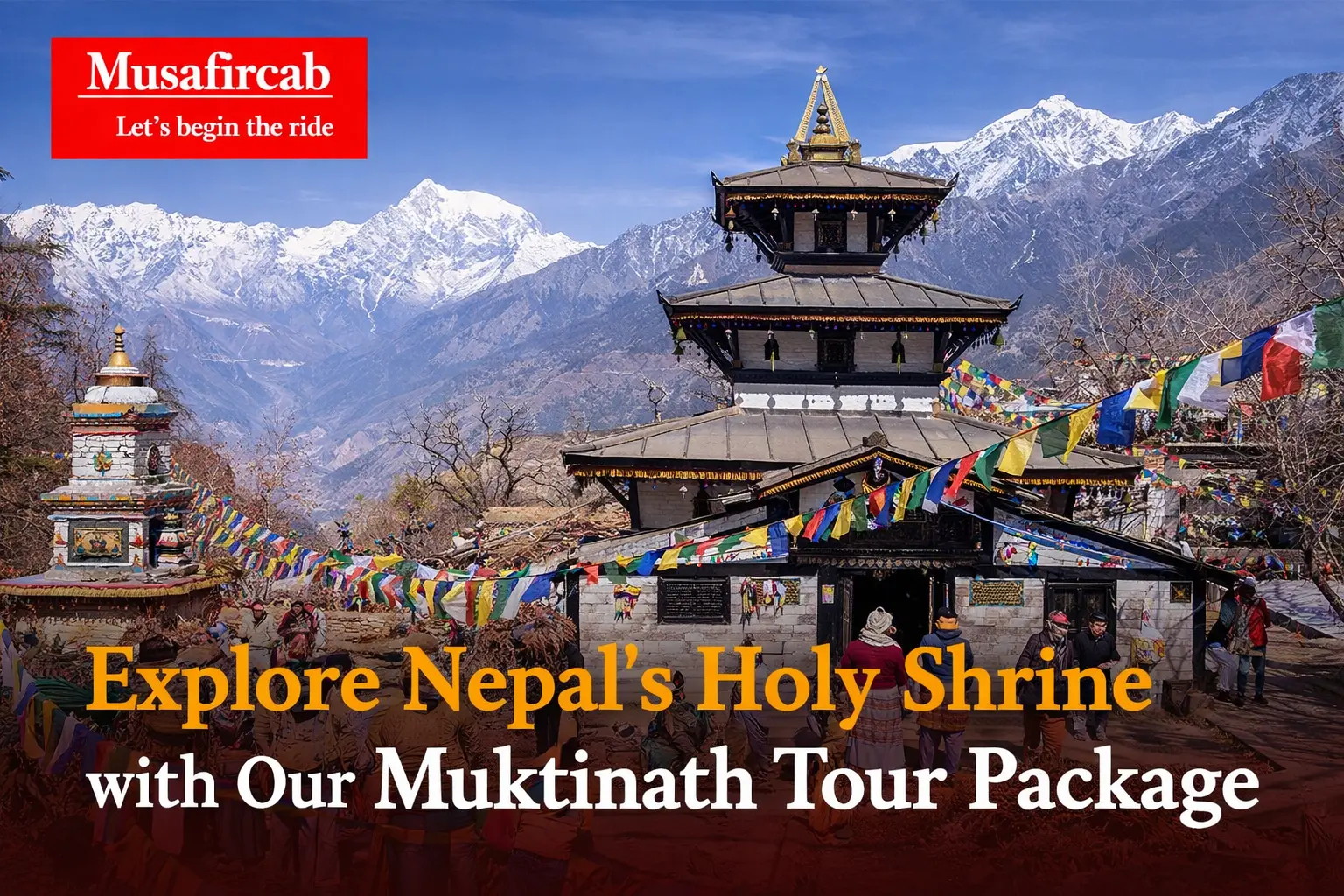
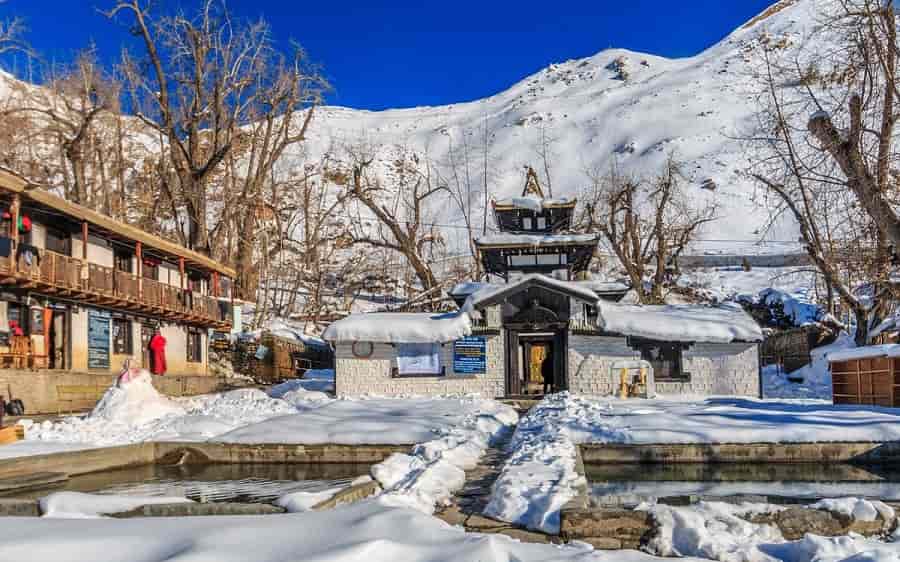
Nestled high in the trans-Himalayan region of Nepal, Muktinath Temple is one of the most sacred pilgrimage destinations for both Hindus and Buddhists. Surrounded by snow-clad peaks, ancient monasteries, and raw Himalayan beauty, Muktinath is not just a temple—it is a spiritual awakening. Our carefully designed Muktinath Tour Package offers devotees and travelers a seamless journey to this holy shrine, combining devotion, comfort, and unforgettable landscapes.
Our thoughtfully crafted Muktinath Tour Package is designed to make this divine journey smooth, comfortable, and spiritually fulfilling. From well-planned travel routes and reliable transportation to carefully selected accommodations and on-ground assistance, every detail is handled with care. Whether you are planning a traditional religious yatra, a family pilgrimage, or a soul-searching Himalayan journey, this tour package promises a well-organized, stress-free, and deeply peaceful experience from the moment you begin your journey until your safe return, allowing you to focus entirely on devotion, reflection, and the majestic beauty of Nepal.
Perched at an altitude of about 3,800 meters (12,500 feet) in Nepal’s Mustang region, Muktinath Temple is regarded as one of the holiest places of liberation and salvation in the Himalayas. The very name Muktinath translates to “Lord of Liberation”, symbolizing freedom from the cycle of birth and rebirth. For centuries, saints, monks, and devotees have believed that a visit to this sacred shrine cleanses the soul and brings spiritual awakening.
 Sacred Significance in Hinduism
For Hindu devotees, Muktinath is one of the revered 108 Divya Desams, holy temples dedicated to Lord Vishnu. It is believed that worshipping here helps devotees attain moksha, the ultimate liberation from worldly suffering. The temple holds a special place among Vaishnavites, who consider it a divine site where Lord Vishnu manifested to bless humanity.
The high altitude and remote location of Muktinath are also symbolic, representing the journey of the soul rising above material attachments toward enlightenment.
 Buddhist Reverence: Chumig Gyatsa
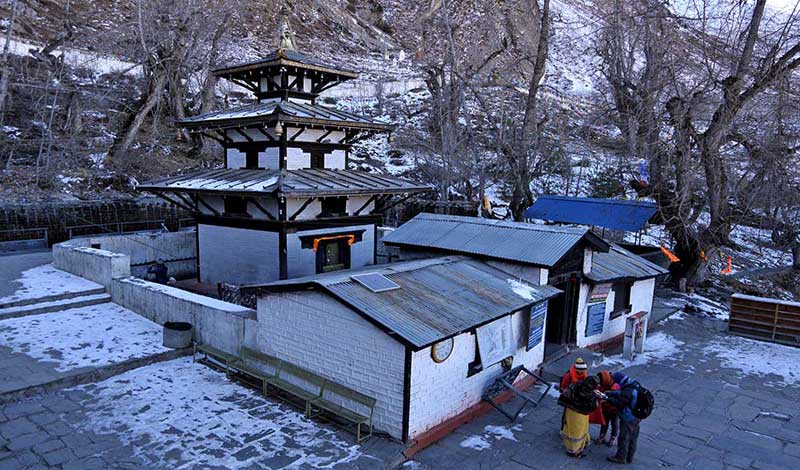
For Buddhists, Muktinath is known as Chumig Gyatsa, meaning “Hundred Waters”. It is deeply associated with Guru Rinpoche (Padmasambhava), who is believed to have meditated in this region while spreading Buddhism across the Himalayas. Tibetan Buddhists consider this site sacred for meditation, purification, and spiritual balance.
The harmonious presence of Hindu and Buddhist beliefs at Muktinath makes it a rare and powerful symbol of religious unity and coexistence.
 The 108 Sacred Water Spouts: A Ritual of Purification
One of the most significant rituals at Muktinath involves bathing under the 108 stone water spouts, shaped like cow heads. Pilgrims believe that standing beneath these icy streams washes away sins accumulated over lifetimes.
Despite the freezing temperatures, devotees willingly take this holy bath, viewing it as an act of faith, devotion, and spiritual cleansing. Completing this ritual is considered a key step in attaining inner peace and divine blessings.
 The Eternal Flame: A Divine Mystery
Another remarkable feature of Muktinath Temple is the eternal flame, which has been burning continuously for centuries. What makes it extraordinary is that the flame exists alongside natural water springs, symbolizing the unity of the five natural elements—fire, water, air, earth, and space.
This sacred flame is believed to represent the presence of the divine and is a powerful reminder of nature’s spiritual energy.
A Pilgrimage That Transforms the Soul
Every year, thousands of pilgrims from India, Nepal, Sri Lanka, and across the globe undertake the challenging journey to Muktinath. The high altitude, rugged terrain, and long travel hours test physical endurance, yet the spiritual reward makes every step worthwhile. For many, the pilgrimage to Muktinath is not just a religious journey—it is a deeply personal experience that brings clarity, faith, and a sense of liberation that stays with them long after they return home.
Scenic Route to Muktinath: A Journey Through the Himalayas
The journey to Muktinath Temple is not just a means of reaching a sacred destination—it is a breathtaking Himalayan experience in itself. From lush valleys to high-altitude deserts, the route unfolds dramatic landscapes that leave travellers in awe at every stage.
Gateway Cities: Kathmandu and Pokhara
Most Muktinath journeys begin from Kathmandu or Pokhara, both offering their own charm. Kathmandu introduces travellers to Nepal’s spiritual heart, while Pokhara welcomes them with serene lakes, mountain reflections, and a relaxed atmosphere.
Pokhara also serves as a popular base for pilgrims, offering better road access, flight connectivity, and comfortable stays before heading toward the higher Himalayan regions.
Journey to Jomsom: Mountains, Rivers, and Sky
From Pokhara, travellers continue toward Jomsom, either by a scenic mountain flight or an adventurous road journey. The road route passes through winding mountain roads, deep valleys, and river crossings, while the short flight offers spectacular aerial views of snow-covered peaks.
As altitude increases, the landscape changes dramatically—from green hills to arid terrain—introducing travellers to the unique beauty of the Mustang region.
Kagbeni: The Ancient Himalayan Village
Before reaching Muktinath, pilgrims pass through Kagbeni, an ancient village known for its narrow stone streets, traditional houses, and spiritual atmosphere. Situated at the confluence of rivers, Kagbeni feels timeless, preserving centuries-old Himalayan culture and monastic traditions.
Many pilgrims stop here to experience the calm surroundings and absorb the spiritual energy of this historic settlement.
Choosing the right season is essential for a smooth journey.
Ideal Travel Seasons:
- March to June: Pleasant weather, clear skies
- September to November: Best visibility and comfortable temperatures
Seasons to Avoid:
- Monsoon (July–August) due to landslides
- Peak winter (December–February) because of snowfall and extreme cold
Our team helps you plan your visit during the most suitable time for safe travel and a fulfilling darshan.
Cultural Experiences Along the Way
Beyond spirituality, the Muktinath tour offers rich cultural encounters.
Cultural Highlights:
- Interaction with the Thakali and Mustang communities
- Local cuisine experiences like dal-bhat and apple products
- Traditional monasteries and prayer flags
- Ancient trade routes and Himalayan heritage
These experiences add depth and meaning to the pilgrimage, making it more than just a temple visit.
Travel Tips for a Safe Muktinath Yatra
A successful Muktinath pilgrimage requires thoughtful preparation, especially due to the high altitude and changing weather conditions. Following essential travel tips ensures a safe and comfortable journey.
Prepare for Cold and Changing Weather
Even during summer months, temperatures can drop significantly. Travelers should carry warm clothing, including jackets, gloves, and thermal layers, to stay comfortable throughout the journey.
Take It Slow at High Altitude
Walking slowly and taking regular breaks helps the body adjust to the altitude. Avoid rushing, especially near Muktinath, to reduce the risk of altitude sickness.
Stay Hydrated and Eat Light
Drinking plenty of water is crucial at high altitudes. Light, simple meals are recommended, as heavy or oily food can cause discomfort during the journey.
Carry Essential Medicines and First Aid
Pilgrims should bring personal medicines, altitude-related tablets (if prescribed), and a basic first-aid kit. Being prepared ensures peace of mind, especially in remote areas.
Respect Local Culture and Temple Traditions
Visitors are encouraged to dress modestly, follow temple rules, and respect local customs. Showing cultural sensitivity enhances the spiritual experience and builds mutual respect with local communities.
Guided Support Throughout the Journey
Our experienced tour coordinators and drivers accompany travelers throughout the journey, offering guidance, assistance, and local knowledge. Their support ensures safety, comfort, and a stress-free pilgrimage from beginning to end.
Why Choose Our Muktinath Tour Package?
Planning a Muktinath trip on your own can be complex due to high altitude, road conditions, and permits. Our Muktinath Tour Package is designed to remove all hassles so you can focus on devotion and experience.
Key Benefits of Our Package:
- End-to-end travel planning
- Comfortable hotels in key locations
- Experienced drivers familiar with mountain routes
- Assistance with border formalities (for Indian travelers)
- Flexible itineraries for senior citizens and families
We prioritize safety, comfort, and spiritual fulfilment throughout the journey.
A Journey That Stays with You Forever
Visiting Muktinath is not merely about reaching a destination; it’s about inner peace, faith, and connection with nature. The chanting of prayers, the icy touch of sacred water, and the serene Himalayan silence create an experience that stays with you long after the journey ends. Our Gotrakhpur to Muktinath Tour Package is designed to make this sacred journey smooth, comfortable, and spiritually enriching—so you can focus on devotion while we take care of everything else.