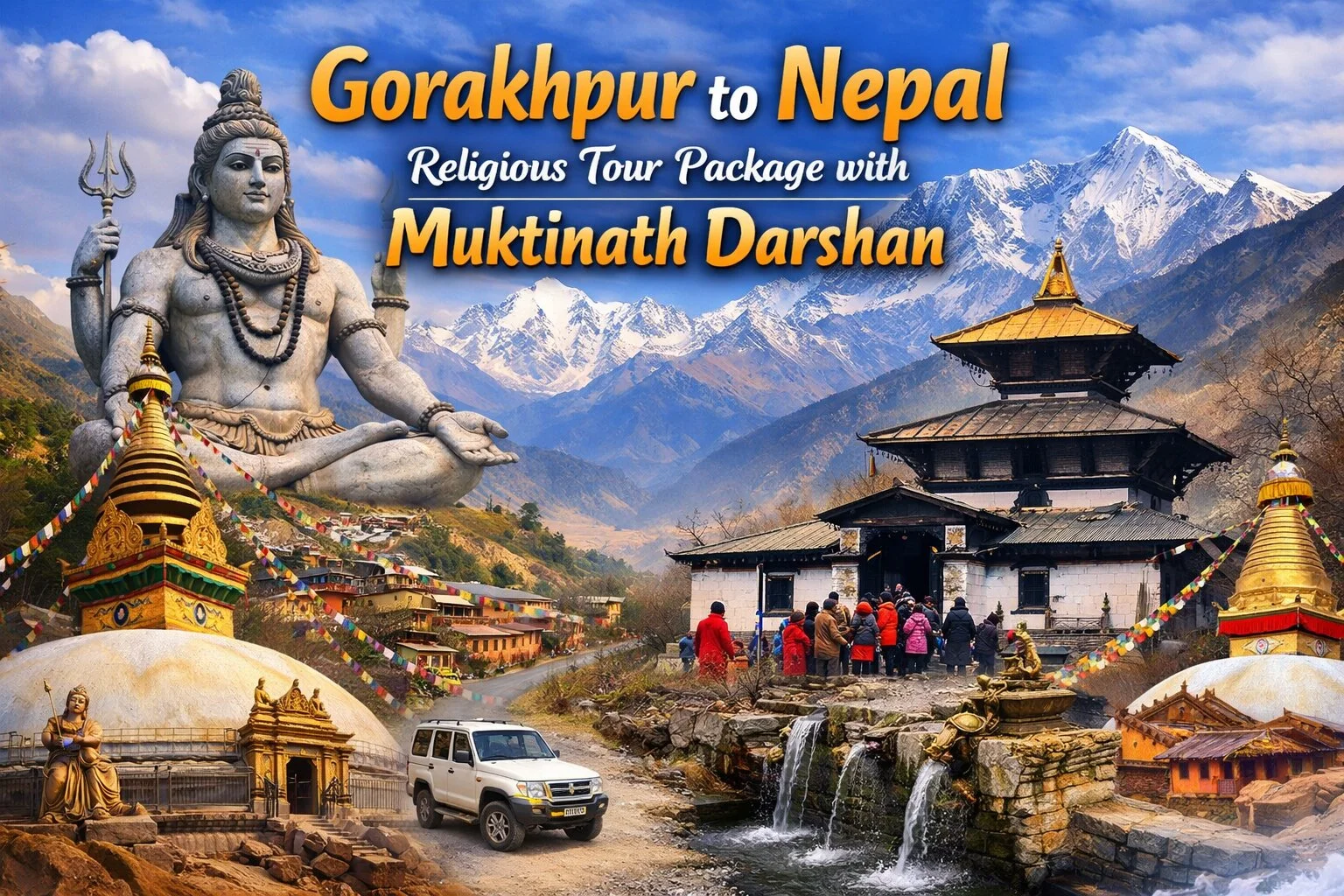

Ayodhya, revered as Ram Nagari, is not just a city—it is a living symbol of faith, devotion, and ancient Indian culture. Known as the birthplace of Lord Shri Ram, Ayodhya holds a special place in the hearts of millions of devotees. For many pilgrims, a spiritual journey that begins in Ayodhya feels incomplete without extending it to Nepal. This sacred land is home to Pashupatinath, Janakpur Dham, Muktinath, and several other revered Hindu shrines. These holy destinations are deeply connected to the Ramayana and ancient Hindu traditions, making Nepal a natural and meaningful continuation of the pilgrimage that begins in Ram Nagari Ayodhya.
The Ayodhya to Nepal religious tour package is designed for devotees who wish to experience a seamless pilgrimage covering two spiritually powerful regions in one meaningful journey. This comprehensive guide will help you understand the travel routes, major destinations, religious significance, cultural experiences, and essential planning tips, while also explaining why this tour is especially suitable for families, senior citizens, and sincere seekers of faith seeking a peaceful and spiritually enriching experience.
Spiritual Importance of Starting the Journey from Ayodhy
Ayodhya is one of the seven sacred cities (Sapta Puri) mentioned in Hindu scriptures. Walking along the ghats of the Saryu River, attending evening aarti, and visiting temples associated with Ramayana creates a deep spiritual connection.
Shri Ram Janmabhoomi Temple

At the spiritual core of Ayodhya lies the Shri Ram Janmabhoomi, believed to be the exact birthplace of Lord Rama. This sacred site stands as a symbol of unwavering faith and devotion. The atmosphere here is filled with chants, prayers, and a profound sense of reverence. Beyond this central shrine, Ayodhya’s temples, ghats, and sacred pathways collectively create an environment that nurtures spiritual reflection and inner calm, making it an essential destination for anyone on a spiritual journey.
Hanuman Garhi
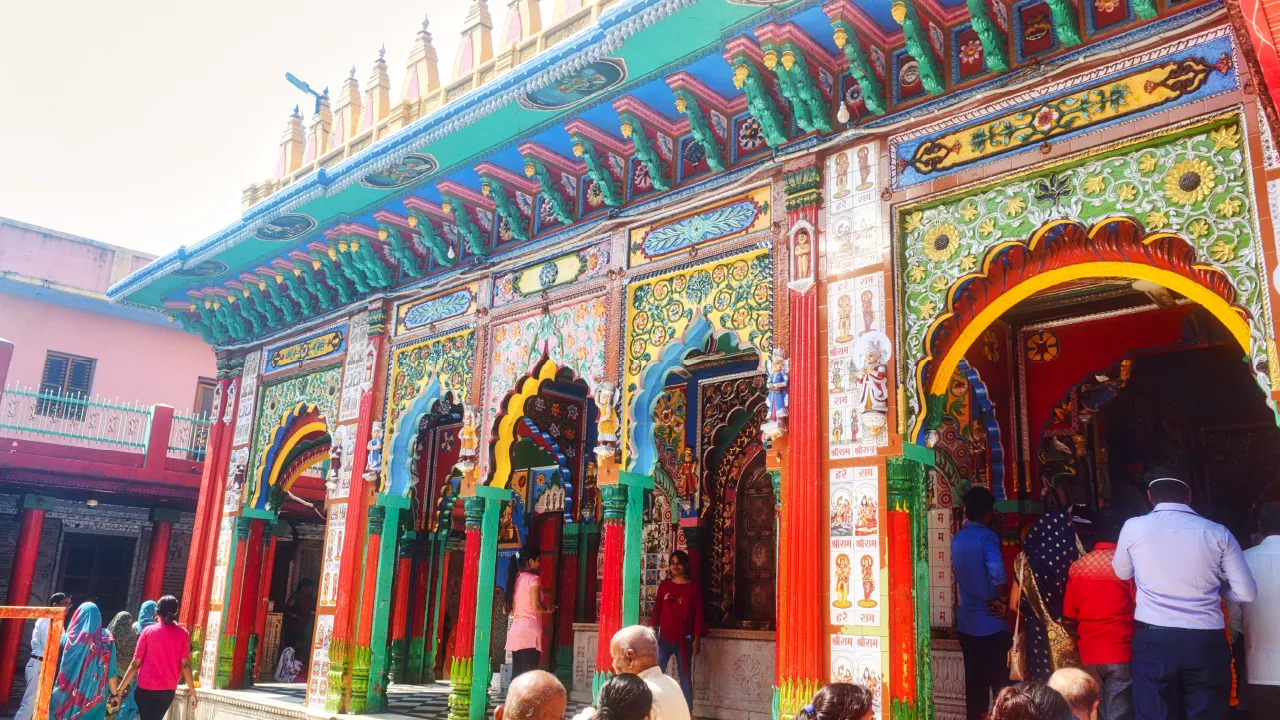 Ayodhya is adorned with numerous temples and shrines, each carrying its own story, devotion, and architectural beauty. One of the most prominent is Hanuman Garhi, a hilltop temple dedicated to Lord Hanuman. It is widely believed that no pilgrimage to Ayodhya is complete without seeking blessings here first. The temple’s commanding presence and deep-rooted faith make it a powerful spiritual stop.
Kanak Bhawan
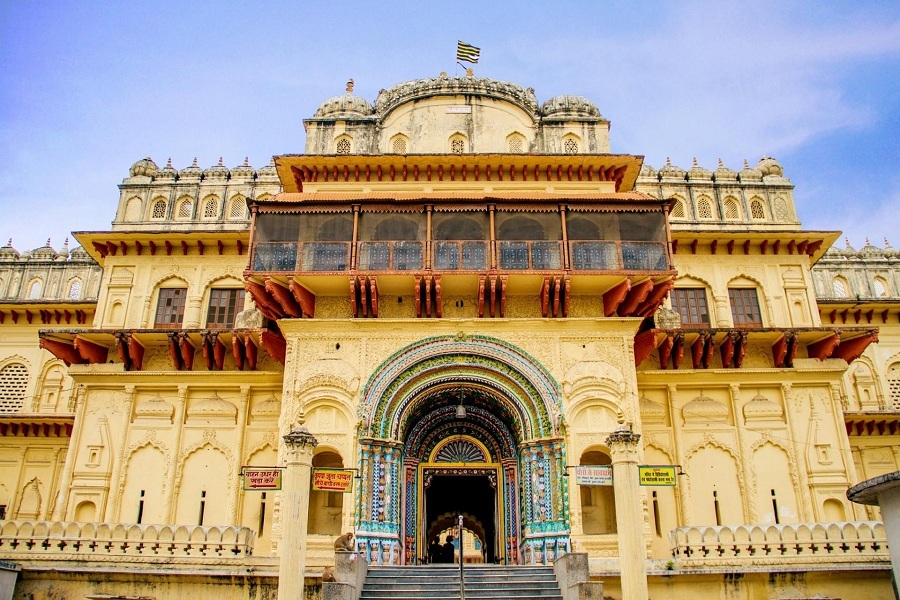 Another jewel of Ayodhya is Kanak Bhawan, a beautifully adorned temple dedicated to Lord Rama and Goddess Sita. Known for its intricate carvings, vibrant murals, and serene ambience, Kanak Bhawan offers devotees a glimpse into the divine royal life of Ram and Sita. The Ram Janmabhoomi Complex, with its grand architecture and sacred atmosphere, remains the most emotionally significant site for pilgrims, often leaving visitors overwhelmed with devotion and spiritual joy.
 Saryu Ghat
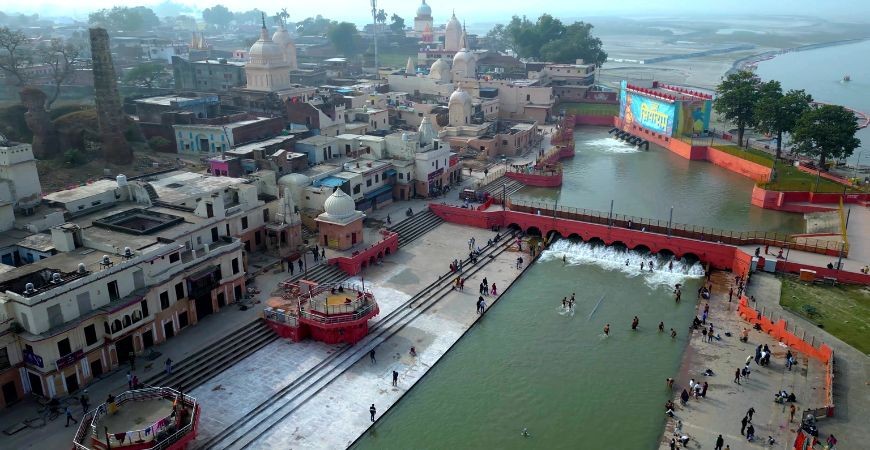
Located along the serene banks of the Saryu River, Saryu Ghat is one of the most sacred and spiritually rejuvenating spots in Ayodhya. Devotees come here to take holy dips, believed to cleanse the mind, body, and soul. The gentle flow of the river, combined with the soft chants from nearby temples, creates an atmosphere of tranquillity and devotion, perfect for meditation and reflection. Sunrise and sunset at Saryu Ghat are especially mesmerising, offering a serene backdrop for prayers, quiet contemplation, or simply soaking in the spiritual ambience of Ram Nagari.
Beginning the pilgrimage from Ayodhya symbolically marks the start of a sacred journey rooted in dharma, devotion, and history.
Why Combine Ayodhya with Nepal for a Religious Tour?
Nepal shares deep mythological and cultural ties with India, especially through the Ramayana and Shaiva traditions. Goddess Sita was born in Janakpur, and Lord Shiva resides in his most powerful form at Pashupatinath Temple in Kathmandu.
By combining Ayodhya with Nepal, pilgrims experience:
- The complete Ram–Sita divine connection
- Jyotirlinga darshan at Pashupatinath
- Moksha significance of Muktinath
- A blend of Hindu and Buddhist spiritual heritage
This makes the Ayodhya to Nepal tour not just a trip, but a complete religious circuit.
Major Religious Destinations in Nepal
Nepal, often described as the land of the Himalayas, is equally rich in spiritual heritage. It is home to some of the most revered religious sites in South Asia. Pashupatinath Temple in Kathmandu, one of the twelve Jyotirlingas of Lord Shiva, stands as a powerful centre of Shaivite devotion. Its sacred rituals along the Bagmati River leave a lasting impression on pilgrims.
Nepal also embraces Buddhist spirituality, most notably at Lumbini, the birthplace of Lord Buddha. This peaceful site attracts seekers of enlightenment from around the world. Additionally, sacred landmarks such as Swayambhunath Stupa (Monkey Temple) and Boudhanath Stupa offer a unique blend of spirituality, history, and panoramic views, making Nepal a deeply enriching destination for religious travellers.
Kathmandu – City of Temples & Pashupatinath Darshan

Kathmandu is the spiritual heart of Nepal. The most important stop here is:
-
Pashupatinath Temple – One of the 12 Jyotirlingas of Lord Shiva
Other sacred and cultural sites include:
- Guhyeshwari Temple
- Budhanilkantha (Sleeping Vishnu)
- Swayambhunath Stupa
- Boudhanath Stupa
The peaceful atmosphere of Kathmandu enhances the spiritual experience of the journey.
Pokhara – Serenity and Natural Spirituality

While Pokhara is known for its natural beauty, it also offers spiritual calmness.
Important places include:
-
Bindabasini Temple
-
Tal Barahi Temple (located on Phewa Lake)
-
Gupteshwar Mahadev Cave
Pokhara acts as a relaxing pause before or after intense pilgrimage activities.
Muktinath – The Gateway to Moksha
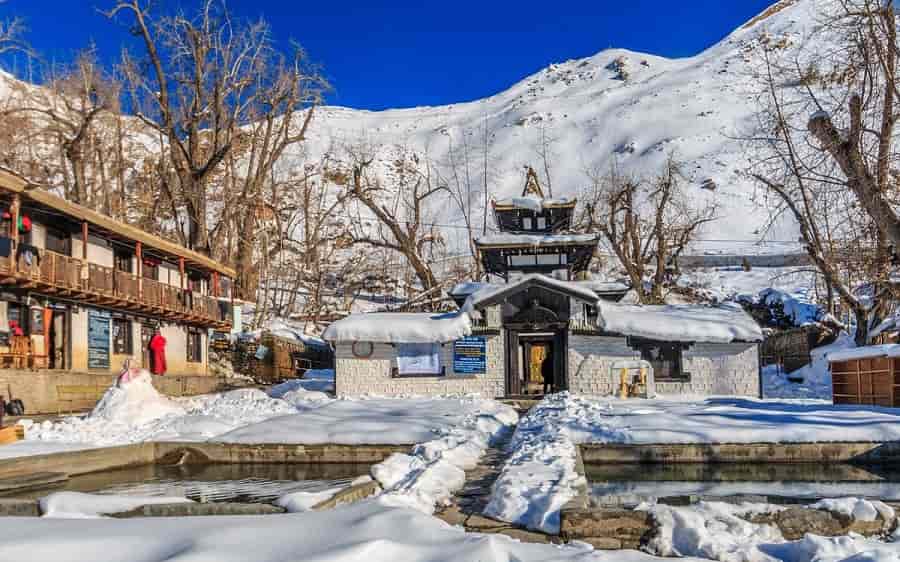
Situated at a high altitude in the Mustang region, Muktinath Temple is considered sacred by both Hindus and Buddhists.
Religious significance:
- One of the 108 Divya Desams of Lord Vishnu
- Known for 108 holy water spouts
- Believed to grant liberation (moksha)
Though reaching Muktinath requires careful planning, it is often the most spiritually rewarding part of the tour.
Travel Route from Ayodhya to Nepal
Most Ayodhya to Nepal religious tours follow a road-based route, making it comfortable and flexible for pilgrims.
Common route:
- Ayodhya → Gorakhpur / Sunauli Border
- Border formalities at Sunauli or Raxaul
- Entry into Nepal → Bhairahawa / Janakpur → Kathmandu → Pokhara → Muktinath (optional)
Having proper border assistance makes the journey smooth, especially for senior citizens.
Accommodation and Travel Arrangements
Recommended Hotels and Lodging Options
A comfortable stay plays an important role in ensuring a peaceful and fulfilling pilgrimage from Ram Nagari Ayodhya to Nepal. In Ayodhya, pilgrims can find a range of accommodations that are clean, calm, and conveniently located near major temples. Mid-range hotels offer simple comforts, devotional surroundings, and easy access to Ram Janmabhoomi and nearby ghats.
Nepal, cities like Janakpur, Kathmandu, and Pokhara offer excellent lodging options for pilgrims. In Kathmandu, heritage-style hotels and spiritually friendly accommodations near Pashupatinath Temple are preferred by devotees.
Tips for Travellers: What to Know Before You Go
Essential Packing Tips
- Pack light cotton clothes for Ayodhya’s warm climate
- Carry warm layers for Nepal, especially for hill areas and early morning temple visits
- Wear comfortable walking footwear suitable for long temple walks
- Keep personal medicines and basic first-aid essentials
- Carry a reusable water bottle to stay hydrated
- Pack toiletries and daily-use travel items
- Keep photocopies of identity documents (Aadhaar/Passport) for border crossing and hotel check-ins
- Use a small backpack or sling bag for temple visits
- Carry modest clothing for religious sites
How to Book Your Tour Package
Pilgrims planning this sacred journey can choose from a variety of tour packages that include accommodation, transportation, sightseeing, and guided temple visits. Booking through a trusted travel service ensures smooth coordination, border assistance, and comfortable arrangements tailored to pilgrims' needs. Early booking is recommended, especially during festival seasons and peak pilgrimage months. For pilgrims seeking a well-organised, spiritually rich, and comfortable religious tour, this Ayodhya to Nepal Tour offers an unforgettable experience that stays with you long after the journey ends.