For travellers interested in India’s religious heritage and Nepal’s sacred destinations, the journey from Ayodhya opens the door to several culturally important places. The connection becomes especially interesting when the route includes Janakpur, which is traditionally associated with Goddess Sita, along with other major pilgrimage destinations across Nepal. From the temples and heritage sites of Ayodhya to the spiritual centres of Janakpur, Lumbini and Kathmandu, each stop offers a different cultural experience. Travellers can also add destinations such as Pokhara or Muktinath if they have more time and want to combine pilgrimage with Nepal’s natural landscapes.
Those looking for a convenient way to organise transportation, accommodation and sightseeing can also explore Ayodhya to Nepal tour options according to their preferred route and travel schedule.
Why Take a Spiritual Journey from Ayodhya to Nepal?
Ayodhya and Nepal have several important connections within Hindu and Buddhist traditions. Ayodhya is traditionally associated with Lord Rama, while Janakpur in Nepal is closely connected with Goddess Sita. Lumbini is internationally recognised as the birthplace of Siddhartha Gautama, who became known as the Buddha.
Kathmandu adds another important dimension through its historic temples, stupas and religious heritage.Depending on the purpose and available time, travellers can focus on:
-
Hindu pilgrimage sites
-
Buddhist heritage
-
Ramayana-related destinations
-
Ancient temples and monasteries
-
Local traditions and festivals
-
Himalayan landscapes
-
Cultural experiences in Nepal
This makes the journey suitable for pilgrims, families, senior travellers, cultural tourists and people interested in South Asian history.
Ayodhya: The Starting Point of the Journey
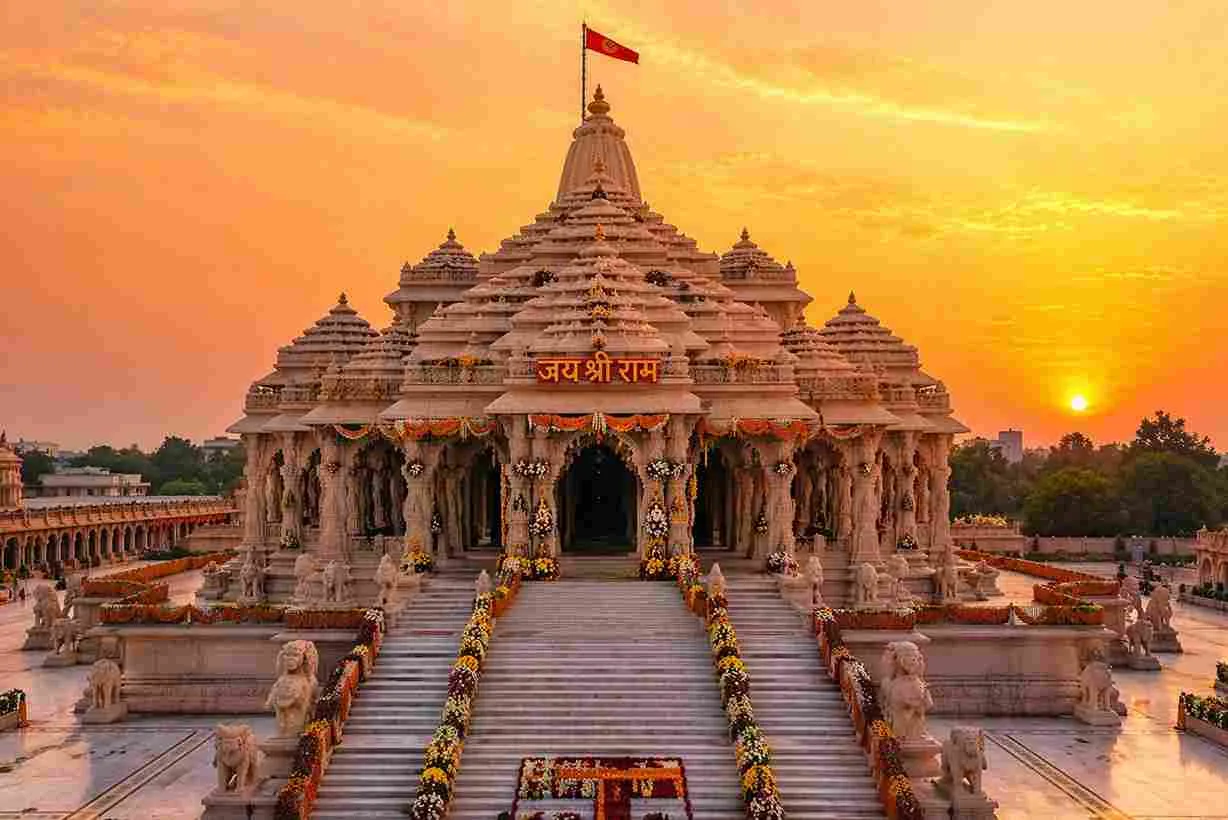
Ayodhya is one of the important religious destinations in India and is traditionally regarded as the birthplace of Lord Rama. Before travelling towards Nepal, visitors can explore some of the city's major religious and cultural attractions.
Ram Mandir
Ram Mandir is one of the major pilgrimage attractions in Ayodhya and is associated with the religious tradition surrounding Lord Rama. Visitors should check current temple entry arrangements, timings and local guidelines before travelling.
Hanuman Garhi
Hanuman Garhi is a well-known temple dedicated to Lord Hanuman. Its location and religious importance make it a common stop for visitors exploring Ayodhya.
Kanak Bhawan
Kanak Bhawan is associated with Lord Rama and Goddess Sita. The temple is known for its architecture, religious significance and decorated idols.
Sarayu River
The banks of the Sarayu River provide another important part of the Ayodhya experience. Visitors can spend time near the river and, depending on the schedule, attend the evening aarti.
Ayodhya to Nepal: Understanding the Journey
The exact route depends on the destinations included in the trip. For a road journey towards southern Nepal, the Sunauli–Bhairahawa border is an important entry point. From there, travellers can continue towards destinations such as Lumbini, Pokhara and Kathmandu. Those interested particularly in the Ramayana connection may choose to include Janakpur as part of their travel plan. A useful way to plan the journey is to decide first which destinations are most important rather than trying to cover every major place in Nepal in a short trip.
Travellers who prefer a more organised trip can also explore a Nepal tour package that combines transportation, accommodation and sightseeing according to the destinations and duration they prefer.
Janakpur: The Ramayana Connection
Janakpur is one of the most important destinations to include in a pilgrimage journey connecting Ayodhya with Nepal.
The city is traditionally associated with Goddess Sita and is strongly connected with the Ramayana. According to Hindu tradition, Sita was the daughter of King Janak, and Janakpur is regarded as her birthplace.
Janaki Mandir
Janaki Mandir is the best-known religious attraction in Janakpur. The temple is dedicated to Goddess Sita and is an important pilgrimage site for devotees.
Its architecture and religious significance make it a major stop for visitors interested in the connection between Ayodhya and Janakpur.
Vivah Mandap
Vivah Mandap is traditionally associated with the marriage of Lord Rama and Goddess Sita. It is located close to Janaki Mandir and is often visited as part of a Janakpur pilgrimage.
Why Include Janakpur?
For travellers specifically interested in the Ramayana, Janakpur gives the journey a stronger cultural and religious connection. It can therefore be considered separately from the more general Nepal sightseeing route.
Lumbini: A Major Buddhist Pilgrimage Site
Lumbini offers a different spiritual and historical experience.
It is recognised as the birthplace of Siddhartha Gautama, who later became known as the Buddha. The site attracts Buddhist pilgrims and visitors from many countries.
Maya Devi Temple
Maya Devi Temple is the central pilgrimage site at Lumbini. It marks the area traditionally associated with the Buddha's birth.
Sacred Garden
The Sacred Garden contains important archaeological and religious landmarks and provides a quieter environment for visitors.
Monastic Zone
Lumbini's monastic area contains monasteries representing different Buddhist traditions and countries. The architecture and atmosphere make this area useful for travellers interested in Buddhist culture.
Lumbini can be especially meaningful for visitors who want to include both Hindu and Buddhist heritage during their Nepal journey.
Kathmandu: Temples, Stupas and Heritage
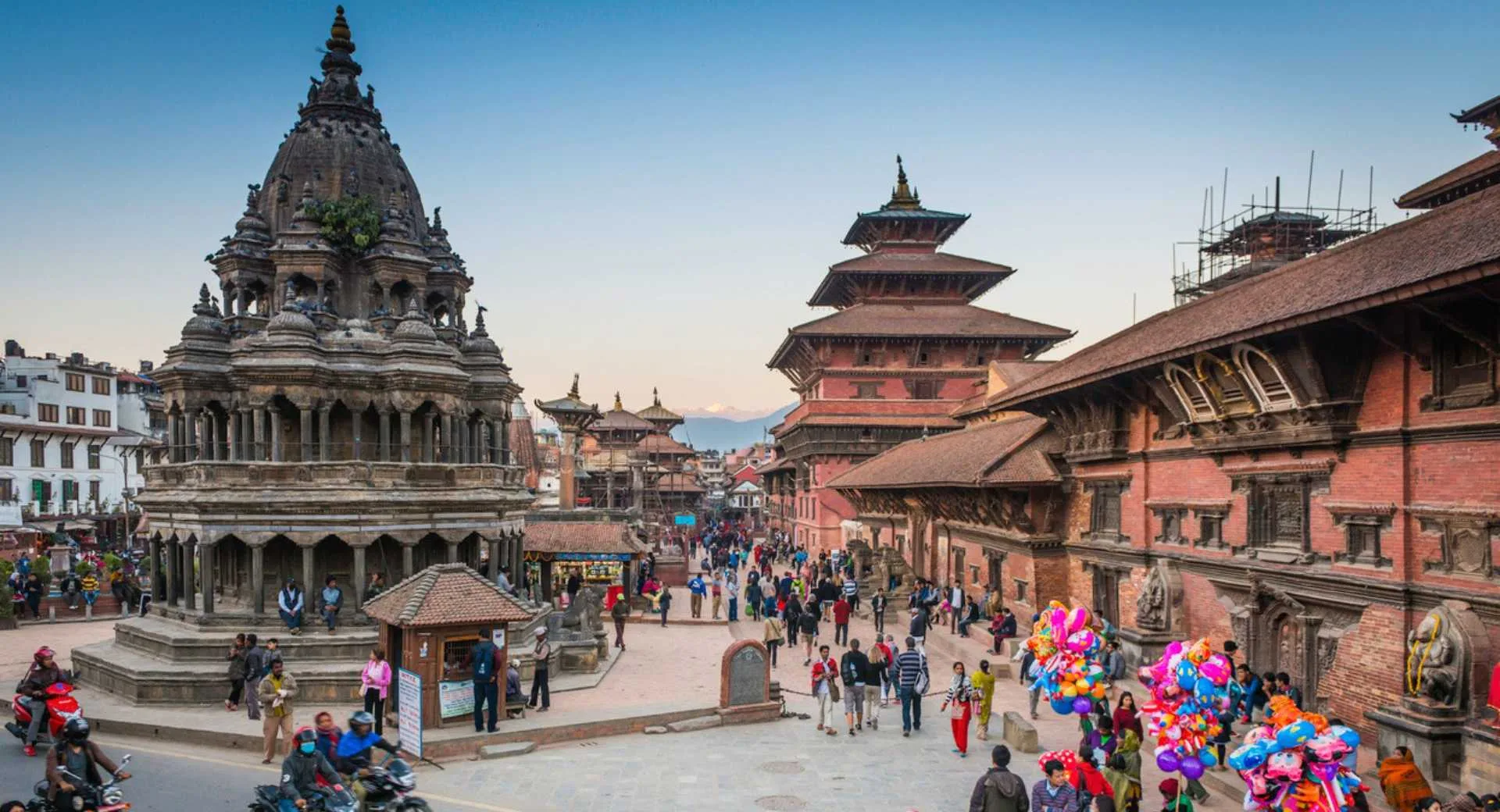
Kathmandu is Nepal's main cultural and religious centre and offers a wide range of historic attractions.
The city is useful for travellers who want to combine pilgrimage with architecture, local culture and heritage sightseeing.
Pashupatinath Temple
Pashupatinath is one of Nepal's most important Hindu temples dedicated to Lord Shiva. The temple complex is located beside the Bagmati River and is an important religious site for Hindu devotees.
Visitors should follow temple rules and check access restrictions before planning their visit.
Swayambhunath
Swayambhunath, commonly known as the Monkey Temple, is an important Buddhist site situated on a hill overlooking Kathmandu Valley.
The complex includes a stupa, shrines and prayer areas and provides views across parts of the Kathmandu Valley.
Boudhanath Stupa
Boudhanath is one of Kathmandu's most recognisable Buddhist monuments. Visitors can observe pilgrims walking around the stupa and explore the surrounding monasteries and shops.
Kathmandu Durbar Square
Kathmandu Durbar Square provides a different perspective on Nepal's cultural heritage through historic buildings, courtyards and traditional architecture.
Pokhara: Nature Alongside Religious Sites
Pokhara is generally known for its lakes, mountain views and outdoor activities, but the city also has several religious attractions.
Including Pokhara can make the journey less focused on pilgrimage alone and add a scenic element to the trip.
Tal Barahi Temple
Tal Barahi Temple is located on an island in Phewa Lake. Travellers normally reach it by boat, making the visit different from a typical city temple experience.
Bindhyabasini Temple
Bindhyabasini Temple is a respected Hindu temple in Pokhara and is dedicated to Goddess Bhagwati.
Phewa Lake
Phewa Lake is one of Pokhara's best-known attractions. Visitors can enjoy a boat ride, spend time around the lakeside area or use the city as a base for exploring nearby attractions.
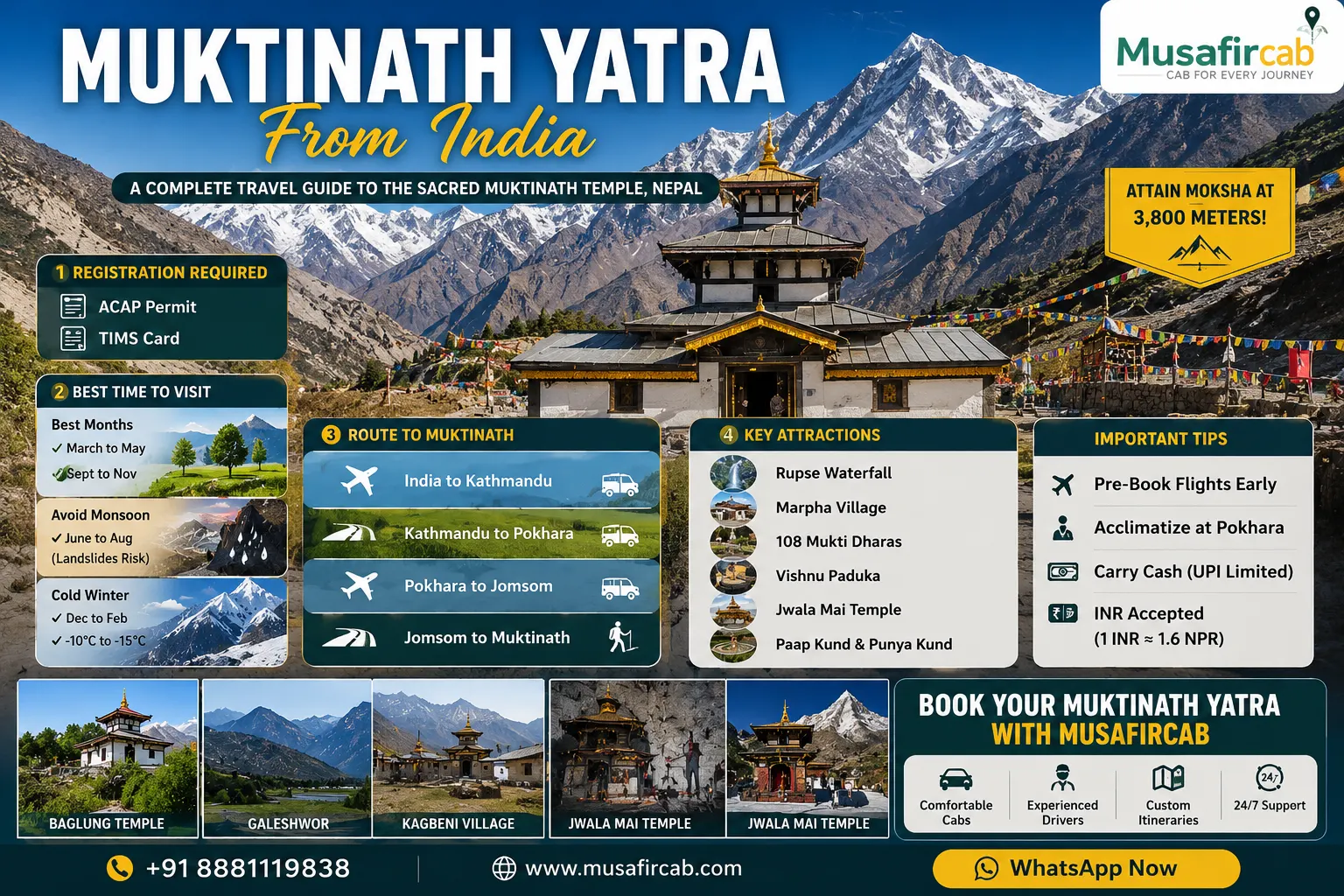
Muktinath: A High-Altitude Pilgrimage
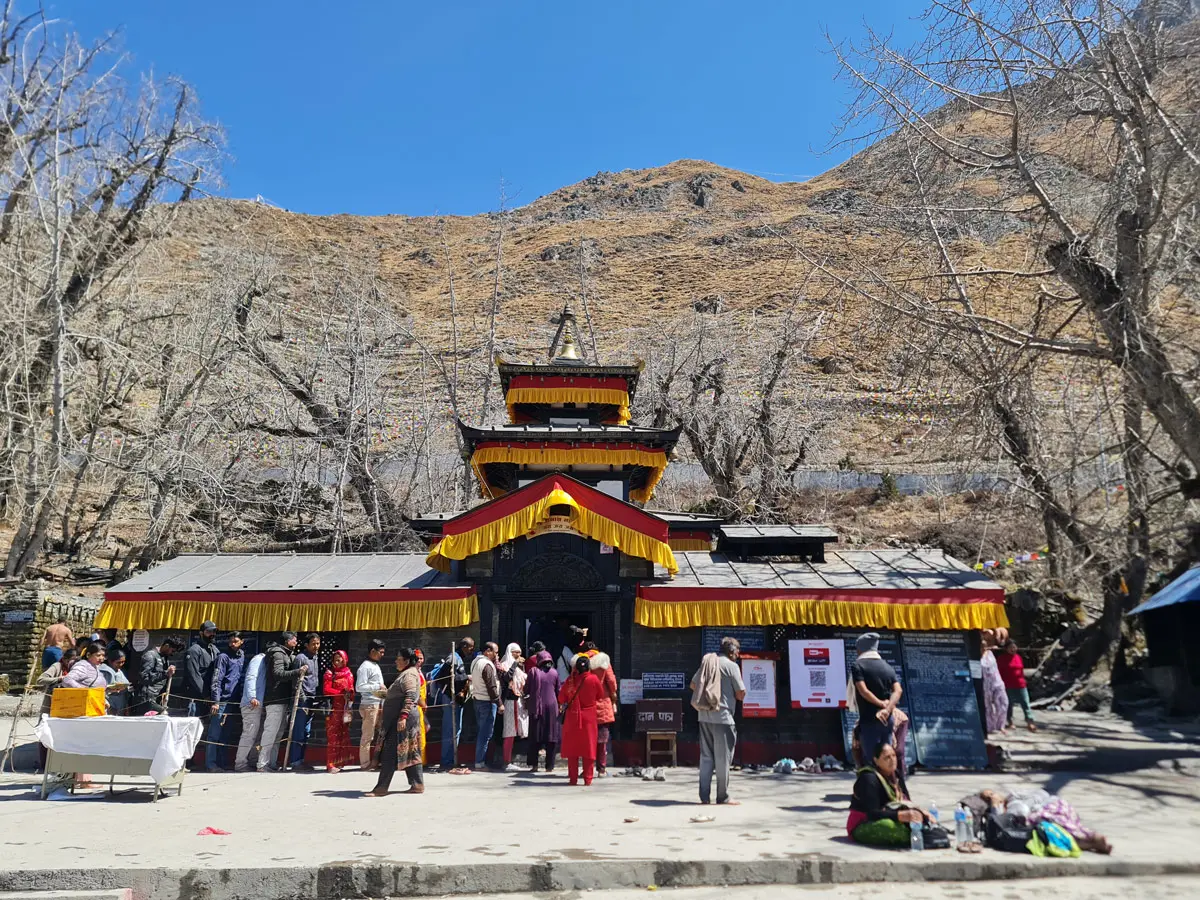
Muktinath is an important pilgrimage destination in the Mustang region of Nepal and has significance in both Hindu and Buddhist traditions.
Because of its high-altitude location and longer travel time, Muktinath should not be added to a short Nepal trip without considering the extra journey involved.
Travellers planning to visit Muktinath should consider:
-
Travel time from the lower regions of Nepal
-
Weather conditions
-
Altitude
-
Road conditions
-
Personal fitness and comfort
-
Suitable clothing
-
Accommodation availability
For devotees specifically planning a Muktinath pilgrimage, it is better to create a separate itinerary rather than trying to fit the destination into an already packed route.
How Long Should You Plan for the Journey?
The duration depends on the number of destinations.
A shorter trip can focus on one or two major areas, while a longer journey can include several parts of Nepal.
For example:
Short Spiritual Trip
Ayodhya → Nepal border → Lumbini → Kathmandu
This option focuses on major religious and cultural attractions without adding too many long transfers.
Ramayana-Focused Journey
Ayodhya → Janakpur → Kathmandu
This route gives more importance to the traditional connection between Lord Rama and Goddess Sita.
Extended Nepal Journey
Ayodhya → Lumbini → Pokhara → Kathmandu
This option combines pilgrimage sites, nature and major urban attractions.
Longer Pilgrimage Route
Ayodhya → selected Nepal pilgrimage sites → Kathmandu → Muktinath
This requires more planning because of the additional travel distance and high-altitude destination.
Best Time for a Spiritual Trip to Nepal
The suitable travel period depends on the destinations included in the itinerary.
Spring and autumn are generally popular periods for travelling in many parts of Nepal because of favourable conditions for sightseeing.
Winter can be comfortable in lower-altitude areas during the daytime but colder in the mornings and evenings.
The monsoon season can bring rain and affect road travel, especially in hilly areas.
If Muktinath or other high-altitude locations are included, travellers should check current weather and road conditions before departure.
Documents for Indian Travellers
Indian citizens travelling to Nepal should carry an accepted identity document for entry.
The current MusafirCab package information advises Indian travellers to carry a valid Indian Passport or Election Commission-issued Voter ID and notes that Aadhaar should not be relied upon as the sole document for Nepal entry. Travellers should verify the latest requirements before departure because entry rules and procedures can change.
It is also sensible to keep:
-
Copies of important documents
-
Hotel booking details
-
Emergency contact information
-
Travel insurance details, if purchased
-
Important phone numbers
Travel Tips for a Comfortable Pilgrimage
A spiritual trip can involve long road journeys, temple visits and different weather conditions. A little preparation can make the experience easier.
Dress Respectfully
Many temples and religious sites have specific dress expectations. Comfortable and modest clothing is generally practical for pilgrimage travel.
Check Temple Timings
Temple opening hours, special ceremonies and entry arrangements can change. Check the latest information before visiting.
Allow Enough Travel Time
Nepal's roads include plains as well as hilly sections. A route that looks short on a map can take considerably longer than expected.
Keep Some Cash
Cards and digital payments are available in many places, but carrying some local currency can be useful for smaller purchases, transport and remote locations.
Carry Suitable Footwear
Some pilgrimage sites require visitors to remove footwear, while other parts of the trip may involve walking on uneven surfaces.
Plan for Weather Changes
Temperatures can vary considerably between the Terai, Kathmandu Valley, Pokhara and higher-altitude areas.
Travelling with Family or Senior Citizens
Families may want a slower itinerary with fewer long sightseeing days.
If senior travellers are joining the journey, consider:
-
Shorter daily travel periods where possible
-
Regular rest stops
-
Comfortable accommodation
-
Easy access to meals
-
Fewer attractions per day
-
Extra time at border crossings
-
Medical and personal requirements
Muktinath requires additional consideration because of altitude, so travellers with specific health concerns should seek appropriate medical advice before including a high-altitude destination.
What Makes This Journey Different?
The main attraction of travelling from Ayodhya into Nepal is the variety of heritage experiences available along the way.
The journey can connect:
-
The Ramayana tradition in Ayodhya and Janakpur
-
Hindu pilgrimage in Kathmandu
-
Buddhist heritage in Lumbini
-
Himalayan scenery around Pokhara
-
Hindu and Buddhist pilgrimage traditions at Muktinath
Instead of following a fixed route simply because it is popular, travellers can build their journey around the destinations that are personally meaningful to them.
Conclusion
Choosing the right destinations can make an Ayodhya to Nepal journey much more meaningful and manageable. Janakpur is particularly relevant for travellers interested in the Ramayana tradition, while Lumbini offers an important Buddhist heritage experience. Kathmandu brings together historic temples and stupas, and Pokhara provides an opportunity to add lakes, mountain views and a slower pace to the trip.
Before setting out, consider the number of days available, border requirements, road travel time, accommodation, weather and the needs of everyone travelling with you. A well-planned route allows you to focus on the destinations that matter most instead of trying to cover too many places at once.
With the right itinerary and realistic travel schedule, the route from Ayodhya into Nepal can bring together religious heritage, local culture, history and scenic experiences in one memorable journey.